Perverse Incentives: The Cobra Effect
This week we discuss Pyroclear, the most metal way to clear your terminal; the half-life of European noble families; and a look at perverse incentives and how they work.
Tool of the week: Pyroclear
I'm a heavy user of the "spaces" feature on Mac, and lately half of them have a terminal instance running fullscreen -- one for work, one for creative projects, and so on.

pyroclear is just fun clear with a bunch of color options, but I love the closure it brings to the end of every workday.
Something Interesting: European noble families were transient things.

I got this one from Barbara Tuchman's incredible book, A Distant Mirror: The Calamitous 14th Century (p. 19): noble families in 14th century Europe were not unlike rich families of today. They disappeared at a rate of about 50% every century, the average family dynasty lasting only 3-6 generations. In France, they were forbidden from doing business, yet still had to maintain enough land-based income to support the means and arms to fight in battle.
Lose the maintenance of your arms and armor, or fail to have a combat-ready heir, and it's back to the peasantry you go. Conversely, prove yourself able and willing to fight for the king or a lord, and you might find yourself getting landed, marking the start of a dynasty (as seen in the surprisingly historically accurate 2001 movie A Knight's Tale, starring Heath Ledger). Nobility was defined by having the means and the willingness to commit organized violence.
Perverse Incentives: The Cobra Effect
Incentives are one of the most important building blocks of any systemic model for human interaction in a society. Put plainly, incentives are why we do anything. They can be overt and imposed:
- "Don't commit murder or we'll put you in jail" ~ the state
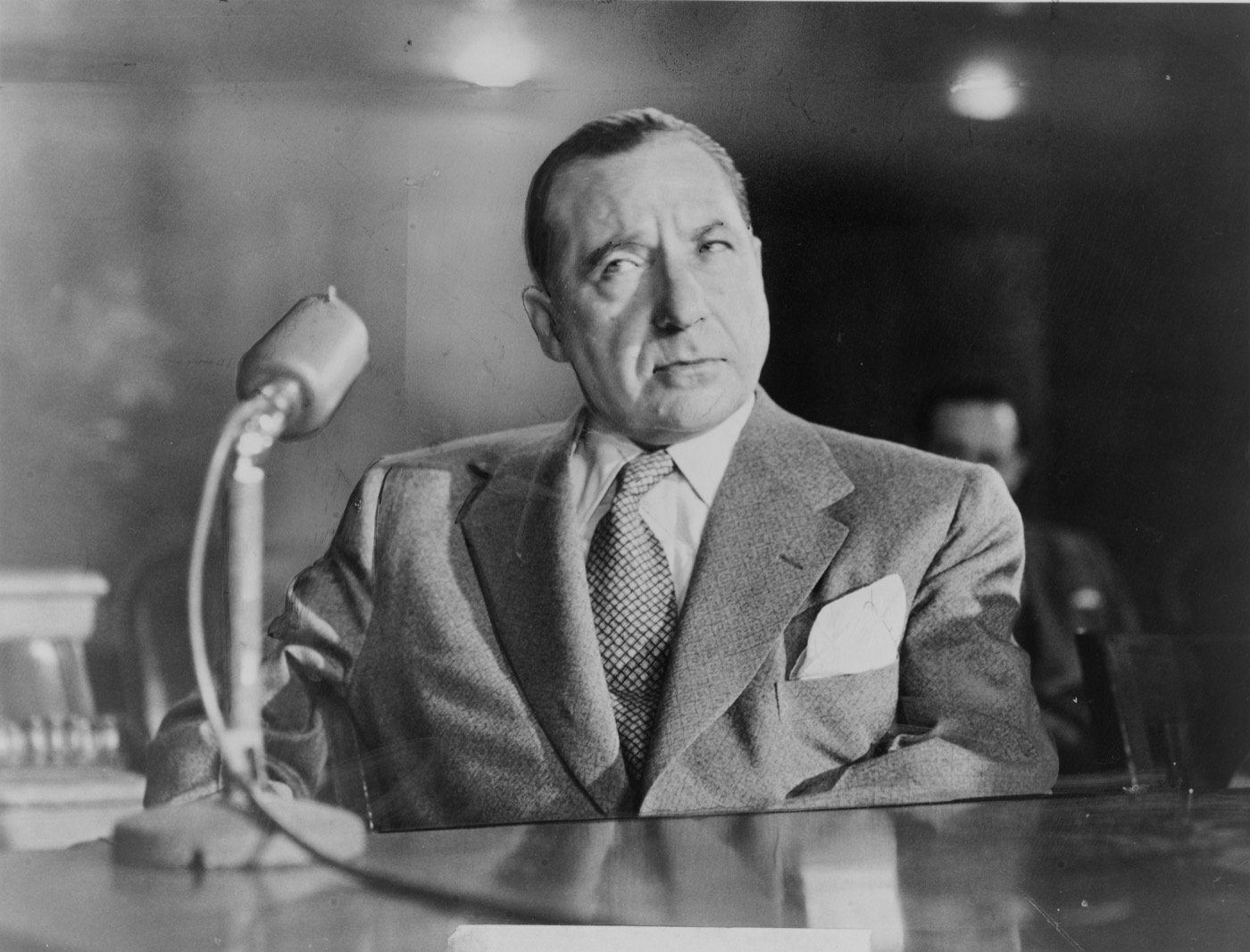
- "Pay us a fee or we'll set your shop on fire" ~ the mafia
- "Pay us a fee or we'll put you in jail" ~ the state again
They can also be decoupled:
- "Do what we tell you or you'll lose your job" ~ your job
- "Earn money or you'll lose shelter, food, and healthcare" ~ the non-welfare state
- :: "do what we tell you or you'll lose shelter, food, and healthcare" ~ the re-coupled incentive
And finally, they can be rewards-based:
- "Use more environmentally friendly processes and we'll give you a tax discount" ~ the state, before the Dark Times
- "Be the most obedient and hard-working employee and we'll put your picture on the wall" ~ your average shitty day job
These are all configurations worth exploring (and we'll get there), but today let's talk about perverse incentives. These are incentives which are implemented (by a state or corporation) to coerce people in one direction, and end up causing an opposite effect.
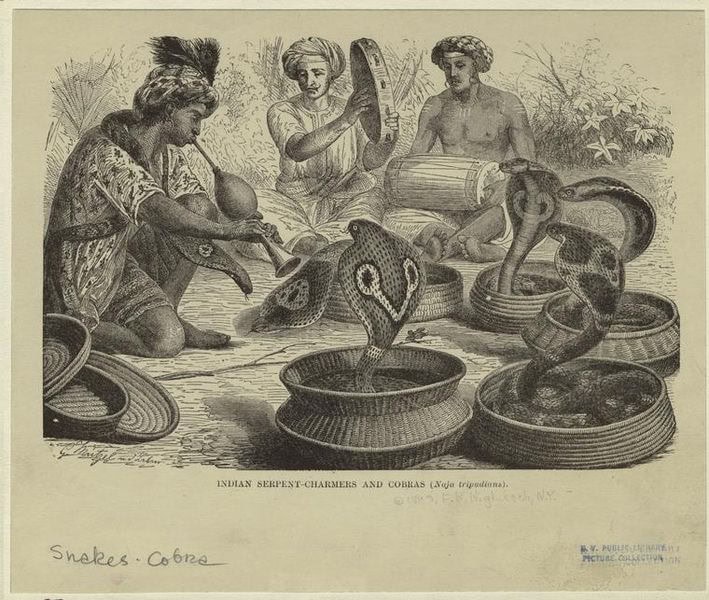
The most famous version of this is the origin of the Cobra Effect:
- The colonial government in Delhi during the British occupation of India wants to reduce the number of venomous cobras, and so offers a bounty on cobra heads.
- This turns out to be a good way to make money, so people start intentionally breeding cobras in order to sell them to the British Raj for bounty money.
- The Brits realize this is happening and cancel the program; with no reason to keep it up, the farmers simply let the snakes go, resulting in more cobras in the city than there were to begin with.
This story is likely apocryphal, but the Wikipedia page has a whole host of very real examples of this, for instance:
In 2002, British officials tasked with suppressing opium production in Afghanistan offered poppy farmers $700 an acre in return for destroying their crop. This ignited a poppy-growing frenzy among Afghan farmers, who sought to plant as many poppies as they could in order to collect payouts from the cash-for-poppies program. Some farmers harvested and sold the sap before destroying the plants, thereby receiving significantly more money for the same amount of poppies.
All of this is important because states (and other power structures) use incentives to try to control or guide human behavior. A hypothetical "good state" would need to do this as well; empowering people to do good human things (e.g. incentivizing planting trees), while limiting bad actors (e.g. continuing to disincentivize murder).
Designing incentives is designing systems. Perverse incentives show us how this can misfire when implemented naively.
If you enjoyed this, consider subscribing! Changelog letters are delivered weekly on Friday. I will never advertise to you (unless I'm letting you know about something I personally made) or sell your information to anyone.