The Symbiotic Nature of Evil Dipshits
As of this moment, the ethnic cleansing that began in Palestine in 1948 and severely escalated following the October 7th attacks in 2023 continues. This is a horrifying thing, and all of those responsible for the mass killing of civilians should be prosecuted for war crimes.
In this piece I'm going to argue that the source of these conflicts is not any inherent difference or enmity between individual people, but rather the abusive manipulation of evil men like Netanyahu and his Likud party, the oppressive Iranian regime, and the leadership of Hamas, who despite claims of deep hatred for one another, actually need each other to survive and work actively to bolster each others' power.
We would be better off without all of them.
1. The Comforting Confinement of Simplistic Thinking
I grew up surrounded by people who insisted the world be both dramatic and simple. It had to be young, because the actual unfathomable gulf of time that exists before the present is far too unsettling. The world's end also had nearly to be at hand, because otherwise we might actually have to figure out how to deal with our shit: my mother's regular closing statement whenever I would try to talk about climate change, healthcare, immigration, or anything else that made her uncomfortable, was always "well, I guess it doesn't matter, because Jesus is coming back soon anyway."
This was and is a convenient belief for a group of people too lazy and too chickenshit to think about the long-term consequences of their actions. But the drama was important, too. Not only would the world end soon, but it would end in a cataclysmic final battle of the righteous against the damned. The straight capitalist Christians would ascend smugly to paradise, where they would spend their afterlife watching any of their former neighbors and family members who were trans, queer, Muslim, atheist, or otherwise non-conforming suffer in a forever state of agony and torture.
This, according to holy writ, is heaven: a binary of good people vs evil people, as defined by fealty (to the Christian deity, in this case), with an outcome of permanent eternal reward for one side, and permanent eternal punishment for the other. Which side of that the Catholics were on depended on who was running for office that election year.

When I emerged into the more mainstream world in my early twenties, I left behind the apocalyptic smallness of that extremist belief. But I found that for many people, the binary persisted.
Among the left, mostly populated by young people only a generation or less separated from those Christian beliefs, I found people who still tried to constrain the world into simple, dramatic configurations: brave Palestinians whose parents had survived the Nakba, who fought alongside their allies (like the Houthis) against American imperialism and Israeli genocide. A core of truth to this, but one that always seemed to involve lionizing groups like Hamas, the Houthis, or the Iranian regime, who were in their own ways (and against their own people) just as cruel, and just as violent.
And on the center and center-right, an inverse relationship, but the same structure: brave Israelis whose parents had survived the holocaust, who fought alongside their allies (like the United States) against Islamist violence and global antisemitism.
It took me a long time to realize that these were secular implementations of that same religious structure: good guys versus bad guys in a struggle to create a peaceful, secure utopia for the former, and punishment and pain for the rest.
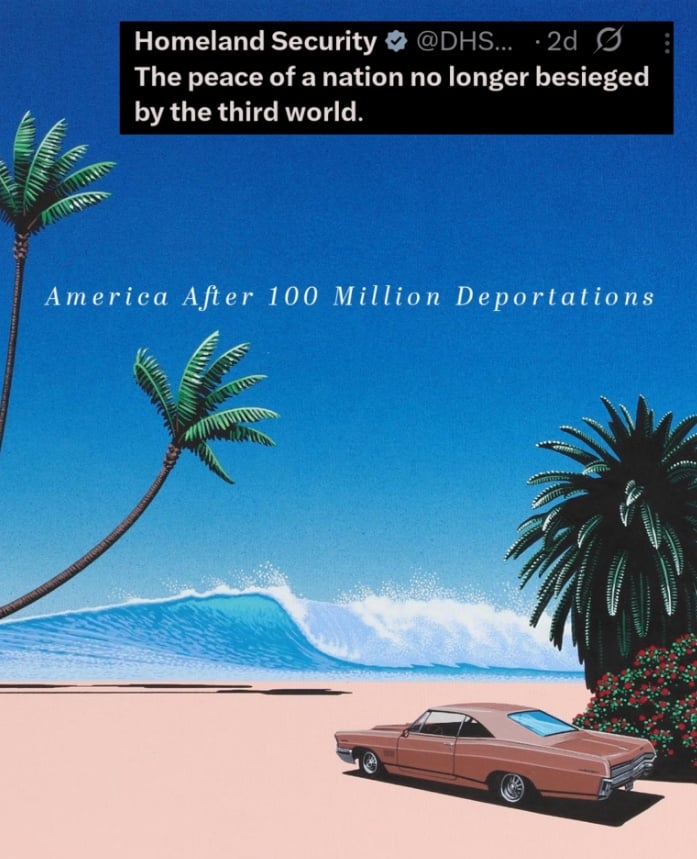
Looking past these simple narratives is uncomfortable, because there's no easy solution. The Holocaust really did happen, and the resulting exodus of Jewish people from Europe led directly to the creation of the Israeli state. Most early Jewish refugees had no home or property in Europe to return to. Their grandchildren in Israel today certainly do not.
Likewise, the Nakba (Arabic for "the catastrophe") happened as well. It began in 1948, when violent religious zionists among the arriving refugees used terrorism and military force to displace 750,000 Palestinians from their homes. Over 500 Palestinian-majority towns were forcibly depopulated. Violent settlers also committed biological warfare like the IDF's "Operation Cast Thy Bread", in which Israeli soldiers (again, many of whom had been direct victims of the Holocaust only a few years prior) contaminated village wells and urban water sources (like the historic aqueduct of Acre) with typhoid, causing an epidemic that sapped the ability of the defenders to resist occupation and expulsion.
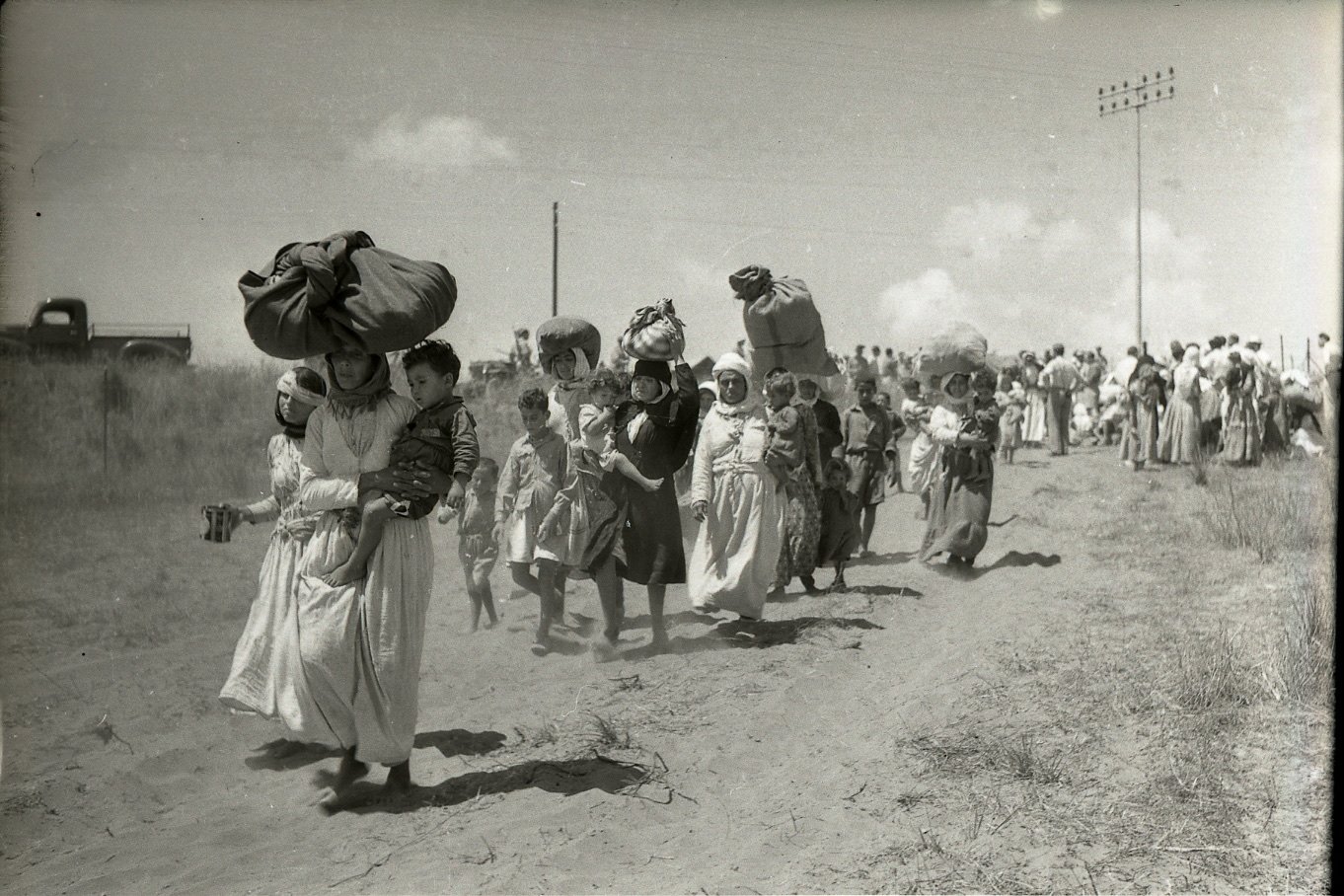
Add in the fact that the incoming settlers were negotiating not with actual local people who might have been future neighbors, but rather the separate occupying colonial force of the British Empire, and things get even murkier.
Pause now and observe the discomfort these facts together create.
In my experience, people usually try to get out of discomfort as soon as possible. In this context, here are a few of the most common paths people take to try to relieve that tension:
"Those people have always been at war, and always will be."
In fact, prior to the collapse of the Ottoman Empire in WWI, the Levant and its surroundings had been mostly at peace for over four hundred years; longer than western Europe has managed at any point in the last two millennia. The Ottomans built their security on military technology and elite soldiery, and as such didn't tend to care much for religious control. Their society was a pluralistic one, with Christians, Jews, Druze, and so on granted partial autonomy to organize their own local religious and legal systems. As long as they paid their taxes, of course.
"Both sides ..."
It is true that violent, religious extremist Palestinians (or other regional allies like Hizbollah) have murdered thousands of Israeli civilians. It is equally true that violent, religious extremist Israelis (or other allies like the United States) have murdered over a hundred thousand Palestinian civilians. What this functionally means is that while Gazans specifically have by far the worst end of the current stick, no Muslim or Palestinian in Israel is safe (such is the nature of the apartheid state), and no Israeli can feel safe (such is the goal of acts of terrorism).
That lack of safety is vital to the actual cause of this problem, as we'll discuss, but that's not what a "both sides" argument is for. "Both sides" is about blame: it's a bid that if we can equally blame two separate groups of people, it might absolve us of the discomfort of trying to understand.
It does not. We must continue trying to understand.
"I am an overt racist."
RFK Jr. is an idiot.. Don't be RFK Jr.
"I don't understand why everyone can't just get along"
99% of the time, this is said to absolve the speaker. The subtext is, "I certainly wouldn't be so irrational, and I can't imagine why they are". It is a cowardly and useless response.
Discarding these retreats from discomfort and deciding to sit with it, we are left with that last question, but this time asked earnestly:
Why can't everyone just get along?
I'm going to make an argument that the answer to this is the same one that's plagued our species since the invention of tyranny: it's the symbiotic nature of evil dipshits.
Because the truth is, left to their own devices, people actually do just get along. They move in next to each other, marry, have kids together, blend languages and cuisines and cultures. Outside of periods of extreme material desperation, people mingle. That is why group-delimited religions and states throughout history have had to invent miscegenation laws, segregation laws, and the like: because to some extent, hard differences between groups of people must always be externally imposed.
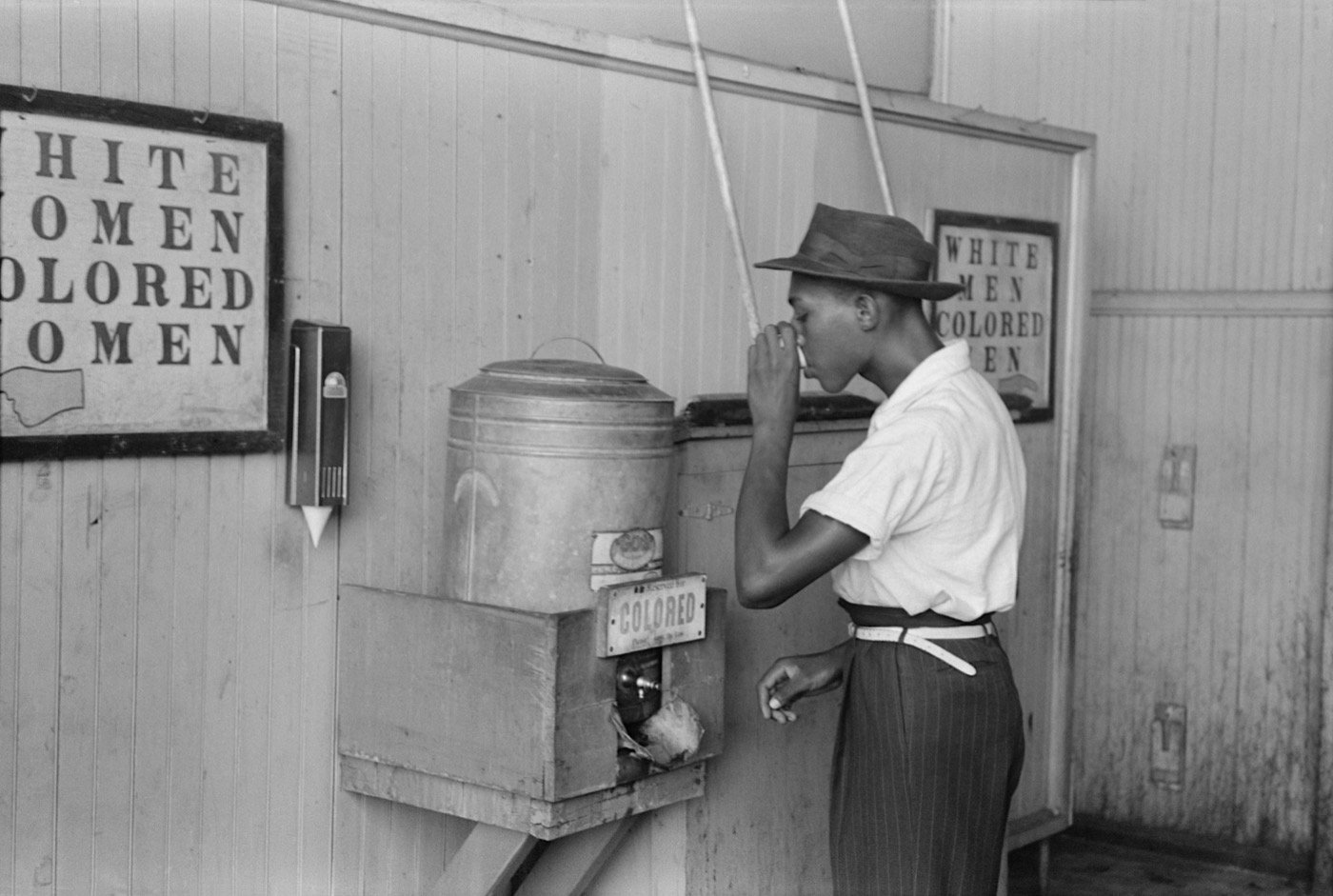
So let's look at how that works structurally. The scope of this discussion is much larger than we have time for today, so we'll come back to other aspects of this question in other months. Today, we're only going to focus on the evil dipshits -- the abusers.
2. What makes an abuser?
The first thing one must realize about any political situation on earth, is that any kind of "side" is at best an over-generalization, and at worst an outright lie.
In fact, any group of people is composed of individual human beings. The vast majority of these simply want to have their families and to live their lives without a constant fear of violence. They devote their energy to simply living, and to trying to have the life that they want. This is not to absolve this group of responsibility: 33.1% of "normal" Germans voted for the Nazi party in the last free election before the onset of the Third Reich. We will deal with the active political base component of a captured state in future letters.
We can however distinguish that group from the much smaller group of people I classify as "political abusers": that is to say, people who devote their energy not to living, but to the accumulation of power and the application of violence, coercion, and manipulation to that end.
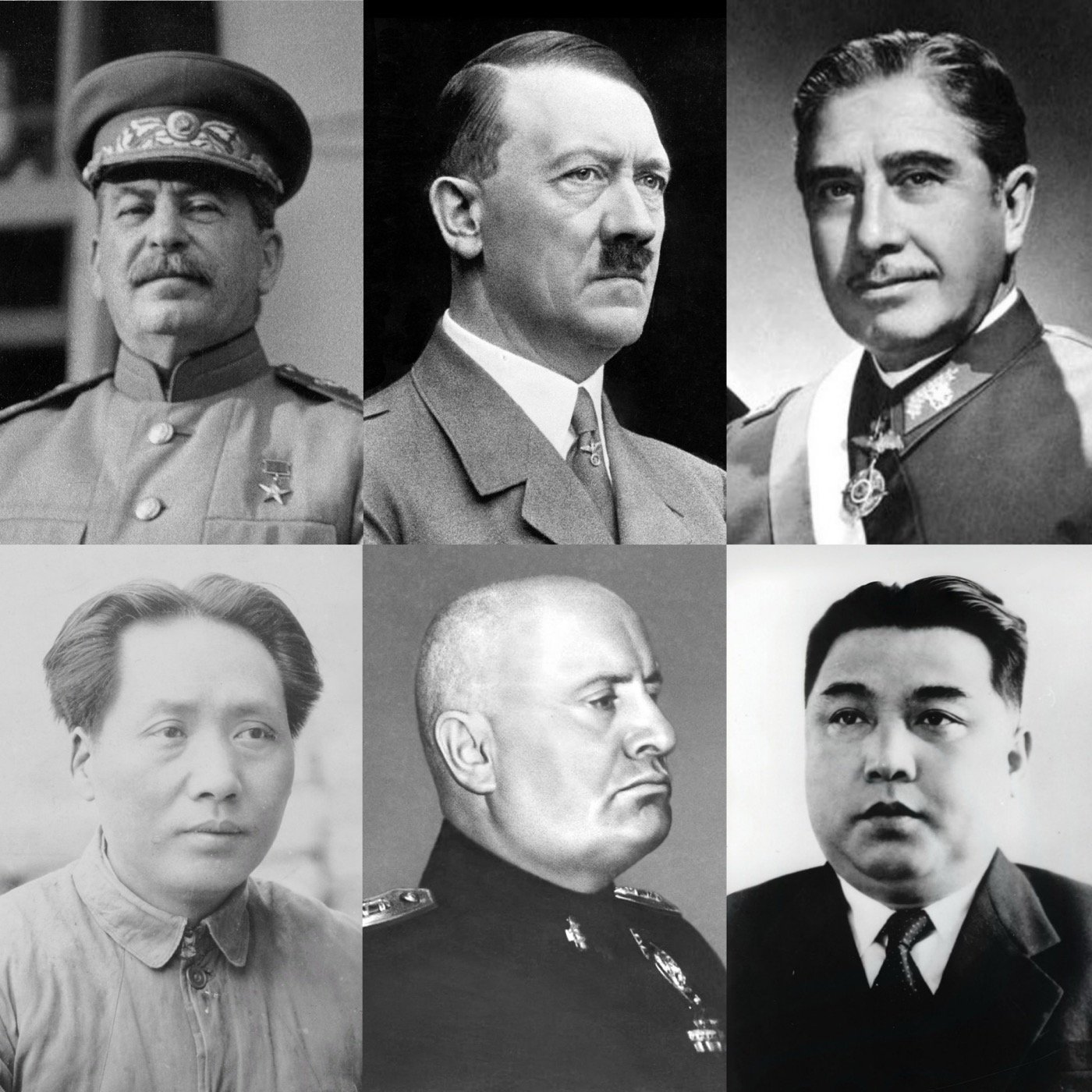
"Power" is itself too simplistic a read. Recall the "dramatic" part of apocalyptic narratives described above. Part of the goal of those framings is to reject discomfort. But part of them is also the need to feel special, important, "worthy", whatever that means to any of us.
A concept that is useful here is narcissistic supply, introduced by Otto Fenichel in 1938. It describes the way that a narcissistic person gets a kind of sustenance from attention, fear, control, support, sacrifice. Donald Trump, like many bullies, gets sustenance both from adoration, and from fear.
It is a common misconception that abusers commit violence when they "lose control". In fact, abuse is always about the use of violence (physical, emotional, sexual, financial, or otherwise) as a tool for control. In my experience the purpose of that control is almost always narcissistic supply. A mugger threatens violence in order to get your wallet. A partner threatens violence because your fear makes them feel powerful; because the actions they are trying to coerce from you make them feel validated or absolved; because your obedience and deference make them feel important and secure.
Abusers, in other words, take. They take from those who they are supposed to love: their children, their spouses, their friends, and in the case of political leaders, their people.
The more uncomfortable counterpoint to this is that abusers also give. Usually, they give something that fills a need they themselves (or others like them) have created:
- "No one else will love you, but I do."
- "I might slap you around when I'm drunk, but that's just how men are. At least I'll protect you from the people who would really hurt you."
- "I can make you feel like you're not worthless anymore."
Political abusers aren't like other abusers, they are abusers:
- "You may feel hated, but I love you."
- "I might hurt you a little from time to time, but that's just how government is. At least I'll protect you from the terrorists/communists/angry Portland teenagers who would really hurt you."
- "I can make you feel like you're not worthless anymore."

As long as what the abuser is giving is enough to coerce total control of the victim, violence is often unnecessary -- it's when this changes that things start to get messy. Abuse victims experience more violence as they start to connect more to other people (connection is always inherently protective), as they start to get healthier, as they start to better understand their circumstances.
In political situations, this change applies across a whole populace. If a large enough segment of the population is brave, kind, connected, educated, empathic, healthy, then that population is immune to the gifts of insecurity an abuser offers. A healthy people know that they love, and are loved. They know they have each others' backs. And they know that they are not worthless.
When a victim is or becomes healthy, the abuser must resort to other tools: violent policing, leverage, manipulation, and fear. The problem with that, especially in a political context, is that the more violent you are, the more you are hated, and that hatred is very likely to end in violence in return -- as the French aristocracy disastrously found out in 1789.
This is where the symbiotic relationship with other abusers comes in.
3. The particular evil dipshits in question
Today we're going to look at three sets of violent abusers, and examine the symbiotic relationship they share:
- Likud, the far right party of Benjamin Netanyahu that recently won a narrow plurality in the still-democratic Knesset of Israel.
- Hamas, the Islamist terror organization that until recently held power over the Palestinian people in Gaza.
- The Iranian Islamist State, composed of the violent regime currently holding power over the people of Iran.
These are far from the only abusive structures involved in this conflict, but they'll do for today.
Likud and Hamas both share a defining moment in the Oslo Accords of the early nineties. Those talks were the first steps toward finding a peaceful, diplomatic solution to the problem in a roadmap known as the Oslo Process. This would have resulted in the PLO (Palestine Liberation Organization, the officially recognized government of the State of Palestine) recognizing the state of Israel, the renunciation of violence on both sides, and somewhat increased Palestinian autonomy in some regions.
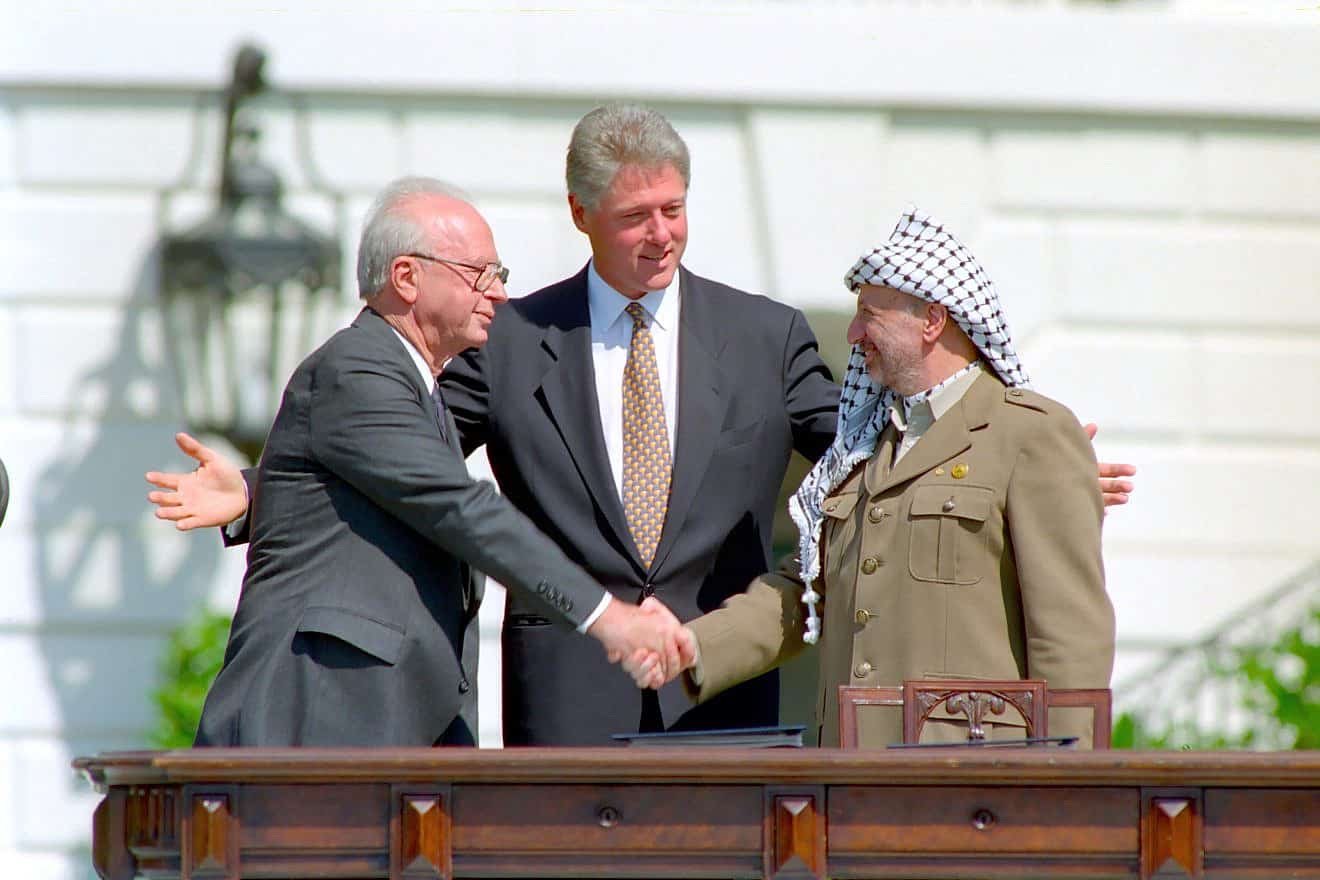
It did not include any kind of sovereign Palestinian state, and critically placed no restrictions on the (then as now) endemic settlement of extremist Zionist settlers on Palestinian land. Edward Said called it the "Palestinian Versailles", a reference to the humiliating treaty of surrender signed by Germany at the end of WWI.
It was a bad deal for Palestinians. But it was a first faltering step toward ending violence and finding some kind of compromise.
This deal, or any deal, was anathema to both Hamas and Likud. Hamas' 1988 charter describes a single Islamist Palestinian state existing under religious authority and Sharia law, with Christians and Jews only allowed to remain under that authority in a dhimmi status; theoretically not dissimilar to the affordances granted by the Ottomans, but in practice a fig leaf for religious oppression whenever enacted by religious extremists (as in Iran post-revolution, or Afghanistan under today's Taliban).
Likewise the Israeli far right conceived of an Israel straight out of the Torah, right down to the divinely-ordained removal or killing of any non-chosen people who happened to live on the land before God handed it over to them. Likud was (and is) directly adjacent to and overlapping these groups, much as the modern American MAGA party is directly adjacent to and overlapping various white supremacy groups like the Proud Boys or the KKK.
Both parties envisioned a land "from the river to the sea" where the good guys (defined religiously and ethnically in both cases) had absolute control, and the bad guys (aka the other side) were entirely neutered, cowed, or dead.
Neither was remotely interested in a secular or diplomatic solution of any kind, either the democratic la-ta'iffiya state proposed by Fatah and the PLO, or a separation into a two-state solution -- let alone the various frankensteinic "separate but equal" proposals by Israeli parties that purported to give Palestinians political autonomy while retaining Israeli governmental power.
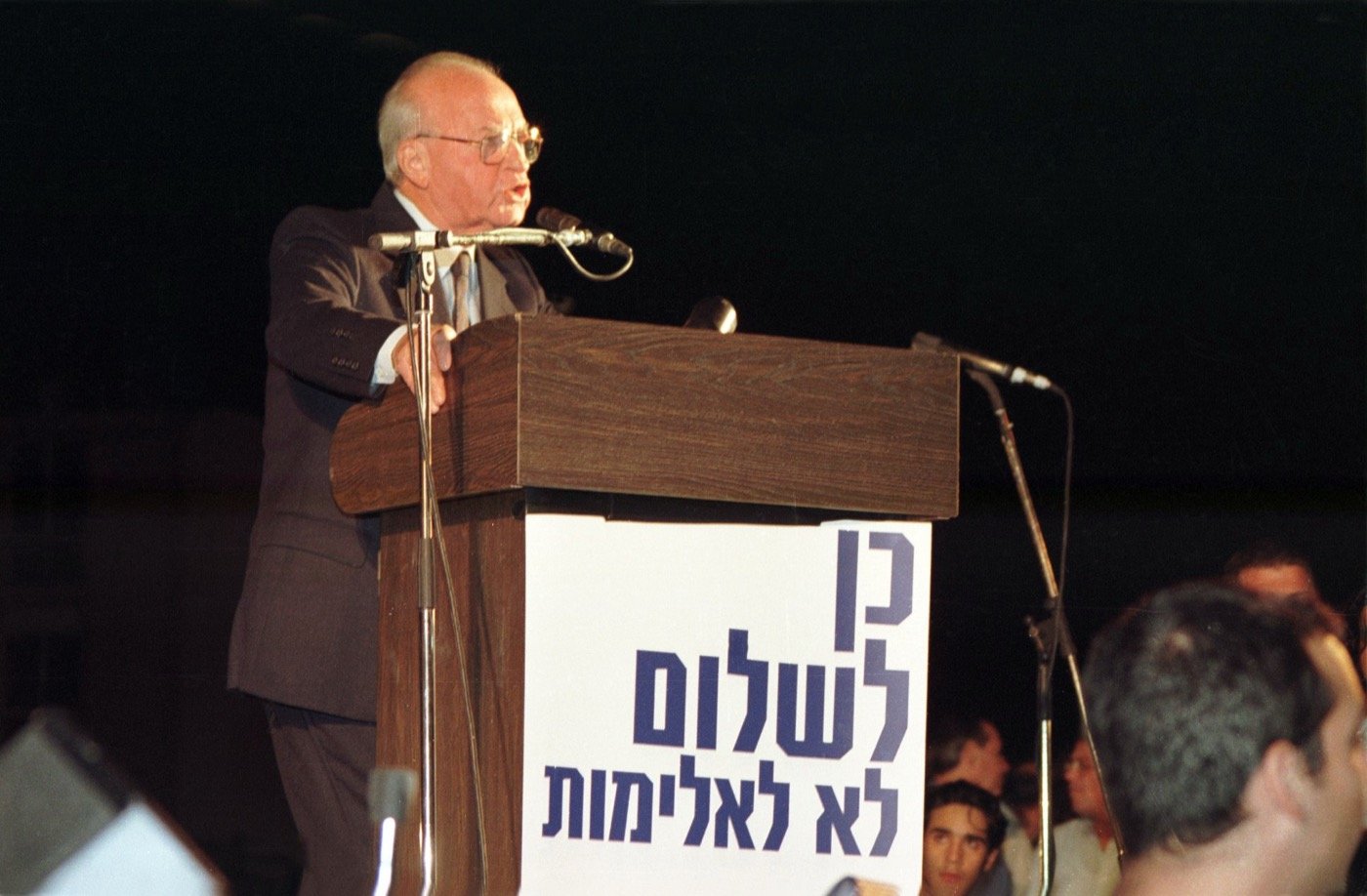
During the accords, Zionists committed violence against Palestinian civilians, and Hamas (and others) responded with violence against Israeli civilians. In 1995, a far right Israeli extremist assassinated Yitzhak Rabin, the prime minister of Israel and the highest Israeli proponent of the accords. Things devolved from there, with Hamas seeking to undermine the secular Palestinian side of things, and Likud (under the leadership of Netanyahu even then) undermining things on the Israeli side.
Meanwhile, a thousand kilometers to the northeast, the political structures of Iran continued to degrade under the thumb of the Ayatollah. His violent Islamist regime had been in charge of Iran since the 1979 revolution, which overthrew the previous violent secular regime of the Shah.
Iranians experienced a heartbreakingly brief spike of hope for democracy and autonomy before the Islamists under Ayatollah Khomeini clamped down, co-opting the Shah's secret policing and surveillance infrastructure to re-exert control over the Iranian people and impose their own extreme brand of Islam on a people who largely didn't want it.
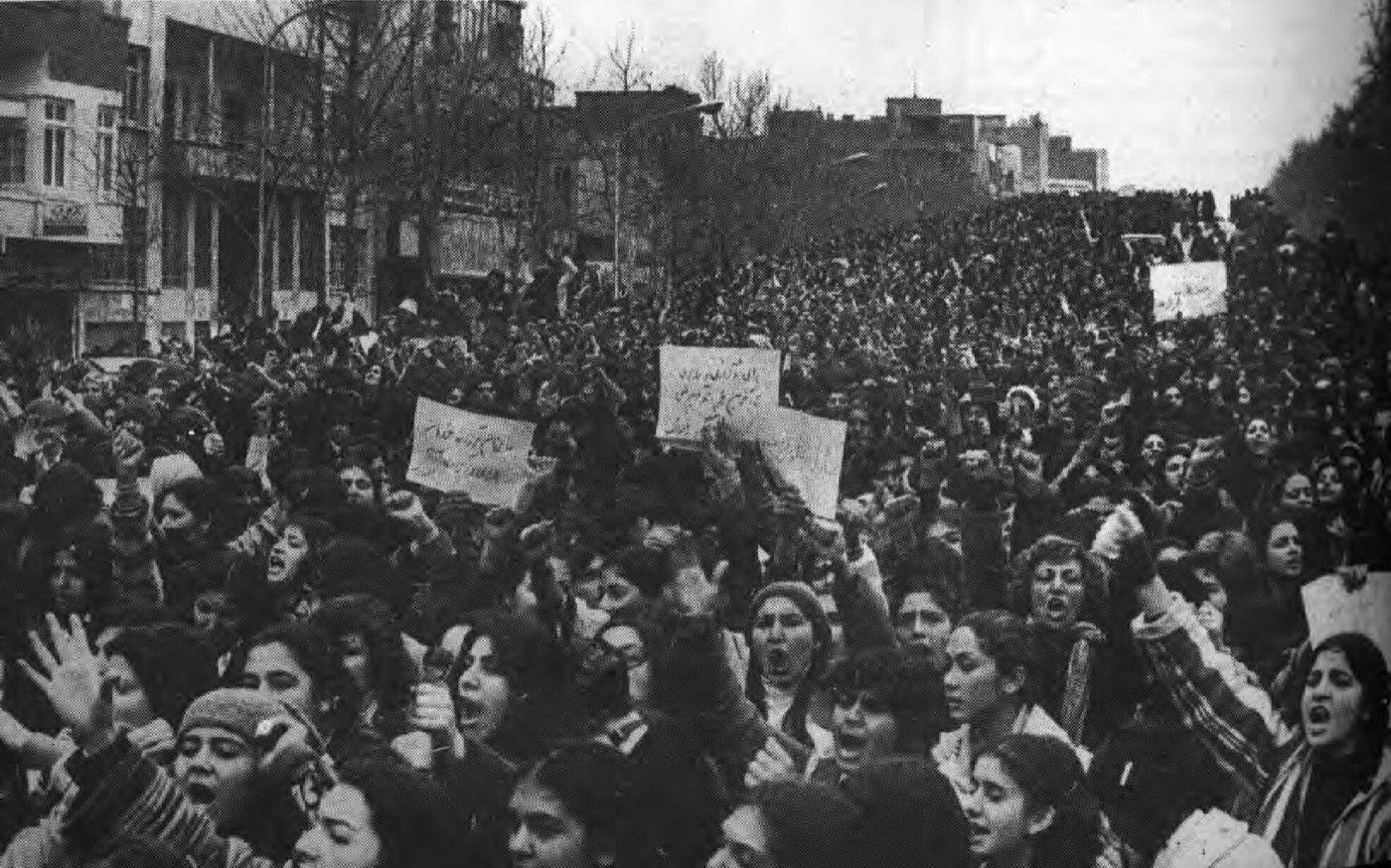
The struggle of the post-Shah Iranian state was a longer one than most outsiders realize. Iran in the 90s was blindly grasping for a way out of its predicament. The Ayatollah remained partially aloof from politics, allowing the people a pretense of democratic self-determination. This ended with the 1997 landslide election of Mohammad Khatami to the Iranian presidency, in a massive turnout (over 80%) across the country.
This proved too great a threat, and the regime responded with punishment, dismantling whatever independent power Iran's elected Majlis still had. The secret police killed public intellectuals and journalists, imprisoned others, shuttered dozens of newspapers, and ultimately locked down the entire country. Whatever hope of freedom and peaceful democratization had existed in the 1990s was gone. Resentment grew in its place.
4. What evil dipshits are afraid of
We spoke above of narcissistic supply, and what that means to abusers. To understand the shape of this thing, it's worth understanding a self-reinforcing cycle that occurs in the early days of cults and authoritarian regimes.
There are many theories as to why abusers, cult leaders, and autocrats have the needs they do. Some say there's a deep childhood shame there, a parental insecurity, some internally perceived "lack" that all this power is trying to cover up.
I tend to see evidence of this in the lackeys -- the Heinrich Himmlers and Pete Hegseths of the world. In leaders themselves, I think there might be something else at play. I'm not sure what it is, but I know what it looks like: the fundamental need to be either loved or feared, but never laughed at, never dismissed, never forgotten. I suspect, in fact, that this specific moment was the moment Trump decided to try for the presidency, and to destroy everything Obama had ever created:
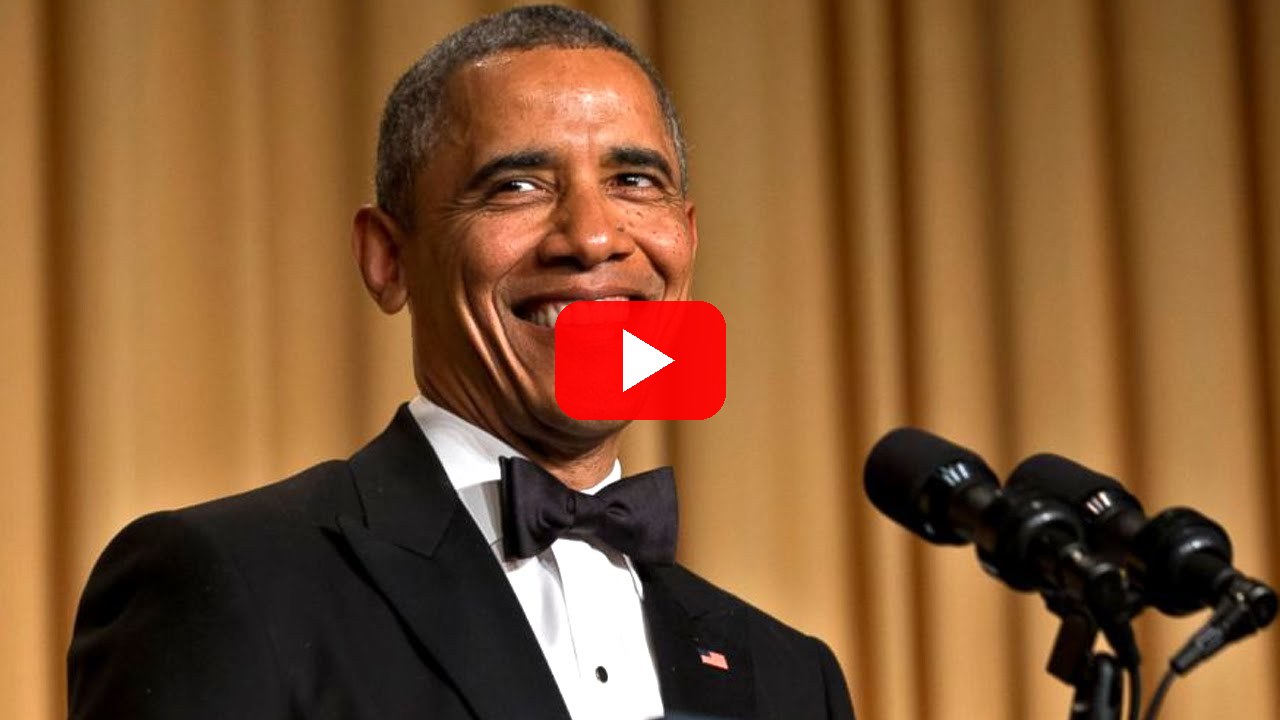
Like any public figure, Trump had been laughed at before -- his divorces, his hair, his taste were all regular targets, and he never seemed to mind it. He was richer than the people laughing; he could be gracious, because ultimately all three of those things were signifiers of his vast wealth. But when someone threatened his fundamental self image, the thing that in his mind made him better than all of those people, that was something he could not stand. This clip shows the origin of his longstanding hatred of Rosie O'Donnell:

The common thread between Obama's and O'Donnell's comments here is the depiction of Trump as a loser, a dilettante, a fundamentally unserious person only here because of his daddy's money. Which, of course, is true. And that framing fundamentally destroys the kind of attention Trump desperately needs: the kind that says that he is strong, powerful, intelligent, formidable. For that, either love or fear will do. Obama's easy dismissal and Rosie's scorn, and the laughter of the audience in response to both, are the opposite of that: narcissistic poison.
The fear authoritarians have of ridicule is well documented. Serbian activist Srdja Popović coined the term "laughtivism" in his 2013 article (with Mladen Joksić) Why Dictators Don't Like Jokes. He makes the argument that laughter and comedy don't just piss off egotistical authoritarians, but are actually powerful anti-authoritarian tools, because laughter fundamentally corrodes the illusion of all-encompassing power a dictator requires in order to stay in power.
In political abuse as well as domestic, it is often the realization of the limits of power the abuser has over you that sets you free.
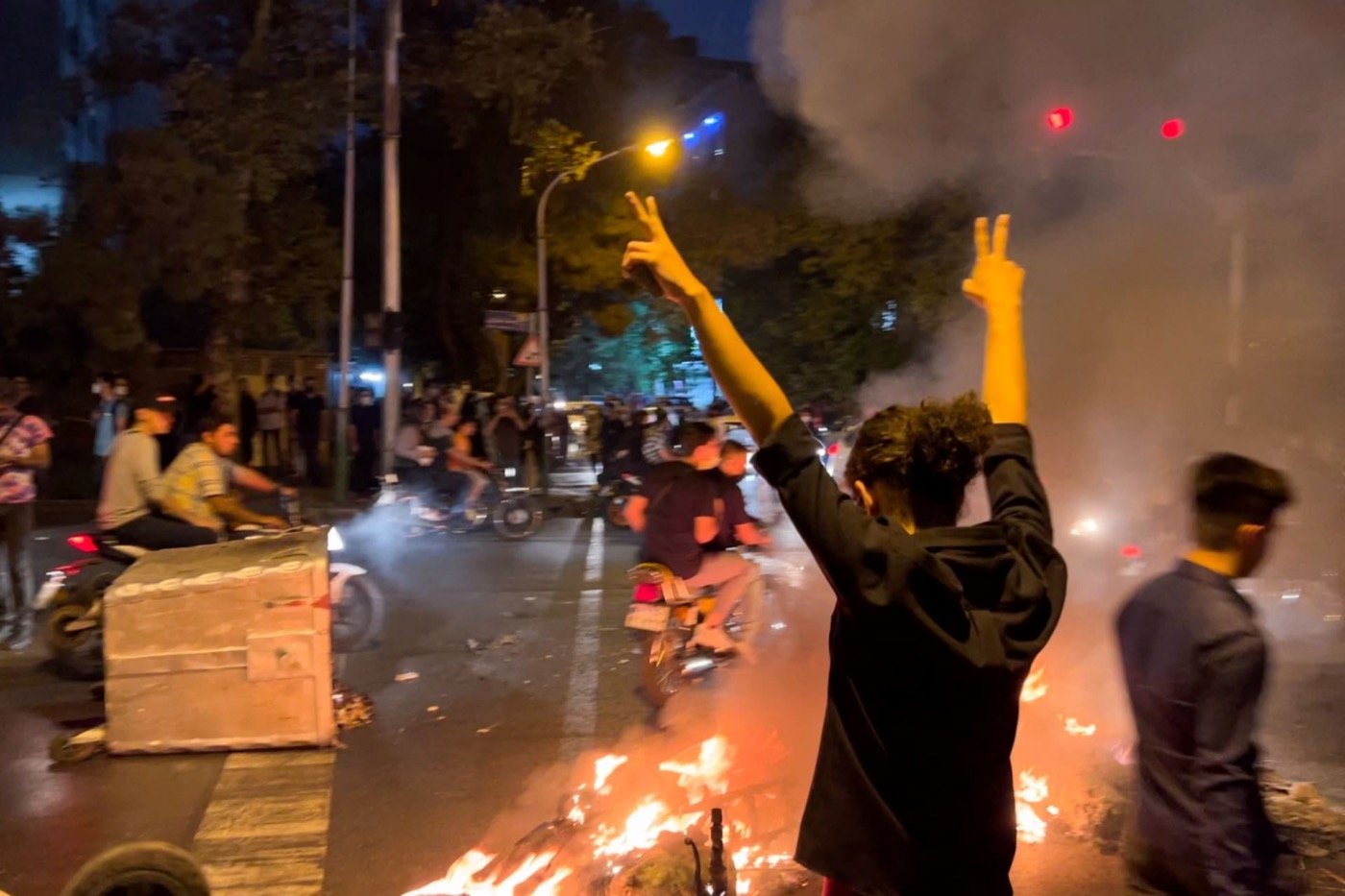
All of this returns us to the self-reinforcing cycle mentioned above. In order to stay in power and keep people afraid, the political abuser must increasingly ramp up his abuses. In a fully captured state like Iran, this meant a deeply cruel and escalating series of violences perpetrated against the people over the last several decades in response to increasing unrest and rightful anger. Protesters today are shot in the streets by Iranian state forces (or increasingly, religious extremists shipped in from other places as local Iranian police defect), and their bodies are not returned until their family members pay the regime for the price of the bullet, an intentional act of humiliation and forced complicity.
The majority of the Iranian people now harbor a deep hatred of the regime. As in the simmering years prior to the French and Bolshevik revolutions, any slight falter in control by the state will result in a sudden and violent end for those currently in power there.
Netanyahu, who, like Trump, is still living in a semi-functioning democracy, has a different set of problems: the corruption and bribery that is part and parcel of why he sought power in the first place. Netanyahu is currently on trial in three separate corruption cases, each of which carries a sentence of multiple years in prison. He also has international warrants out for his arrest for the ethnic cleansing and other war crimes committed at his command.
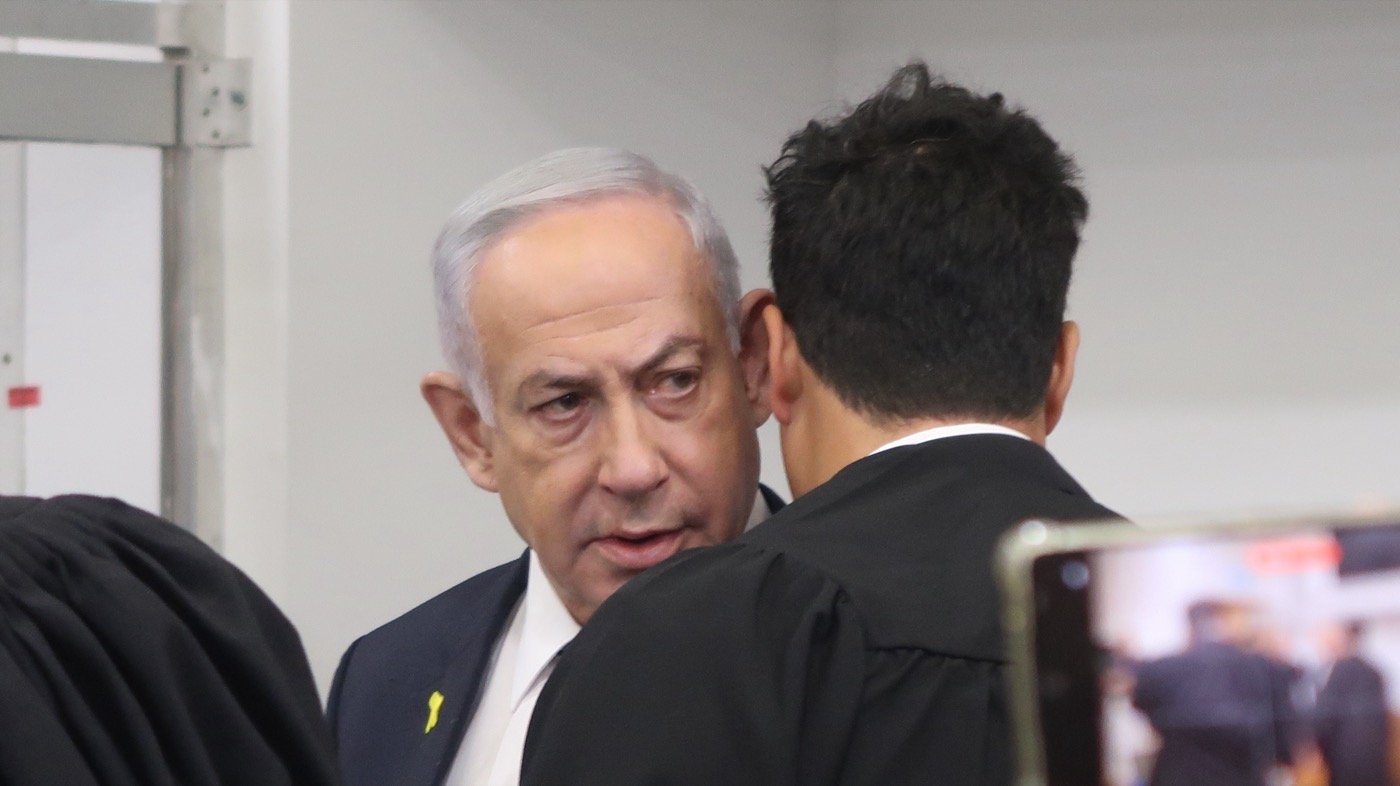
The leadership of Hamas is a harder read. Most of them (unlike Netanyahu, whose parents and grandparents left Europe well before the Nazi rise to power) directly and personally experienced state violence, and a great many of them have been killed by IDF strikes around the world. Khalil al-Hayya, the current leader of Hamas, has lost four of his children, his wife, and several other family members in Israeli attacks.
In addition, Hamas has an oddly egalitarian structure. It has a governing council (the Shura), which elects a chairman (currently al-Hayya), whose service is term-limited. The narcissism of both Netanyahu and the Ayatollah is less useful here.
In many ways, Hamas reminds me less of would-be authoritarians like Netanyahu or Trump, or of charismatic religious leaders like the Ayatollah. Rather, Hamas reminds me of the churches I grew up in -- decentralized organizations of religious extremists who fervently believed both that they were victims of global persecution, and also cosmically special; that they were jointly fulfilling the will of God; and that they had the right and the duty to speak for a broader silent populace (a la Jerry Falwell's "Moral Majority").
If that read is correct, the ego mechanic at play is somewhat different -- less the fawning Dear Leader / Flunkie dynamic seen in other cases, and more the mutually supported righteous violence one sees in the KKK, Three Percenters, and other religious extremist groups.
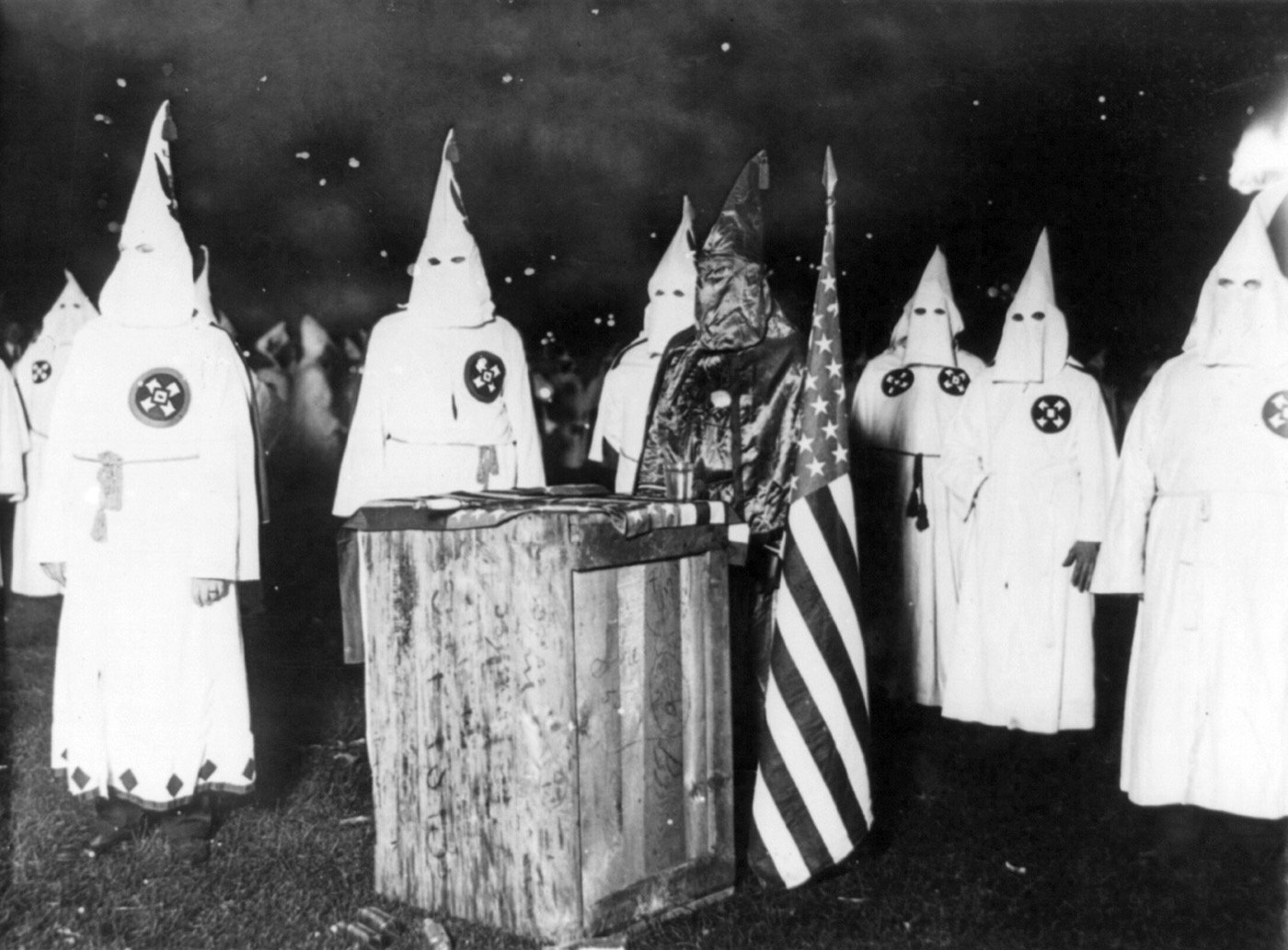
For these, the ego of each individual member is relevant. The narcissistic supply that matters here is of image: being strong and righteous warriors, upright defenders of a people, holy servants of whatever deity they choose to follow. While individual leaders can be influential, these groups are more about that mutual validation, and nothing validates like martyrdom.
This is all in direct opposition to what the people supposedly under "protection" actually want. Prior to October 7, Hamas enforced its rule over the Gaza strip with brutal systemic beatings of Palestinian protesters, detainment of journalists, and mass arrests. Gazans were trapped under a crushing dual occupation, first by a religious extremist militant group in Hamas, and second by the zionist settler state of Israel.
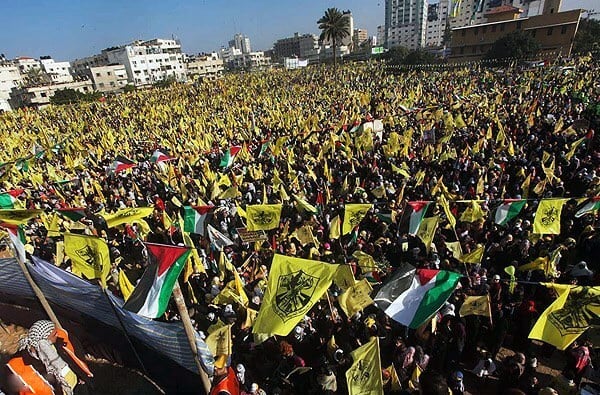
Hamas has always opposed diplomatic resolution. The important question is to ask why. I suspect the answer is that a democratic Palestine, especially one working toward resolution with willing Israelis, is a place where Hamas' entire ego-identity -- that righteous martyrdom complex -- ceases to matter, and all of these righteous, violent men must come to terms with the fact that maybe they've been part of the problem all along.
In each case -- Israel, Gaza, Iran: the people in charge gain a fundamental sense of ego and narcissistic supply from the people they control; have increasingly had to use violence and manipulation to retain power; and finally will suffer real material consequences should they ever lose political power.
And yet, they live with the catch-22 that whenever they try to cement their rule with further violence against their own people, they kindle further resentment that at any point could break into an open conflagration that would burn them to ash.
5. How evil dipshits protect each other, and prey on all of us
Enter ... each other. Every time a Hamas-addled teenager blows himself up on a bus, another set of fearful Israeli voters is convinced that ethnic cleansing is justified, and Likud stays in power. Every time an IDF soldier shoots a kid in the head, ten teenagers are convinced that peaceful resolution is impossible, and that life under Hamas is still better than dying in a genocide.
In other words, the violent actions of the idiots who serve political abusers create fear in the public. That is their intent. The definition of terrorism (however vagueified and propagandized that word has become in this late American imperial era) is the application of random, meaningless violence in order to create so much fear and insecurity that political change is granted in order to make that fear stop. It is ugly and probably always evil, but it is sometimes effective: the IRA's bombing campaigns made England more amenable to power sharing, and the mere threat of violence in America from Malcolm X and the Black Panthers was enough to underline the need to negotiate with Martin Luther King's more peaceful movement.
But that fear is not always aimed at political change. Likud purports to be committing their mass violence against civilians in order to "force" Hamas leadership to surrender; they know better. In fact, they are simply trying to make life as a Palestinian between the river and the sea so miserable that they will simply leave; and if not, to kill them. The goal of the current Israeli regime is ethnic and religious cleansing.
Likewise, Hamas has no interest in compromise or any actual solution. It holds up an image of an Islamist state in Palestine that is somehow sovereign and secure, despite its (even in the absence of Israel) much more powerful neighbors. This is again that utopia we discussed above. To Hamas, violence is less a tool of political change, and more a ritual of identity expression -- we are the martyrs, we are the righteous, we are the ones who act. After October 7 (which he had a hand in planning), al-Hayya said "we succeeded in putting the Palestinian issue back on the table, and now no one in the region is experiencing calm."
This is violence without intent; violence not meant to actually accomplish something, but rather simply to express an egotistical sense of identity. Violence as performance, with the thousands of Israeli civilian murders dismissed as righteous, and the hundred thousand Palestinian deaths that followed waved away as holy martyrdom.
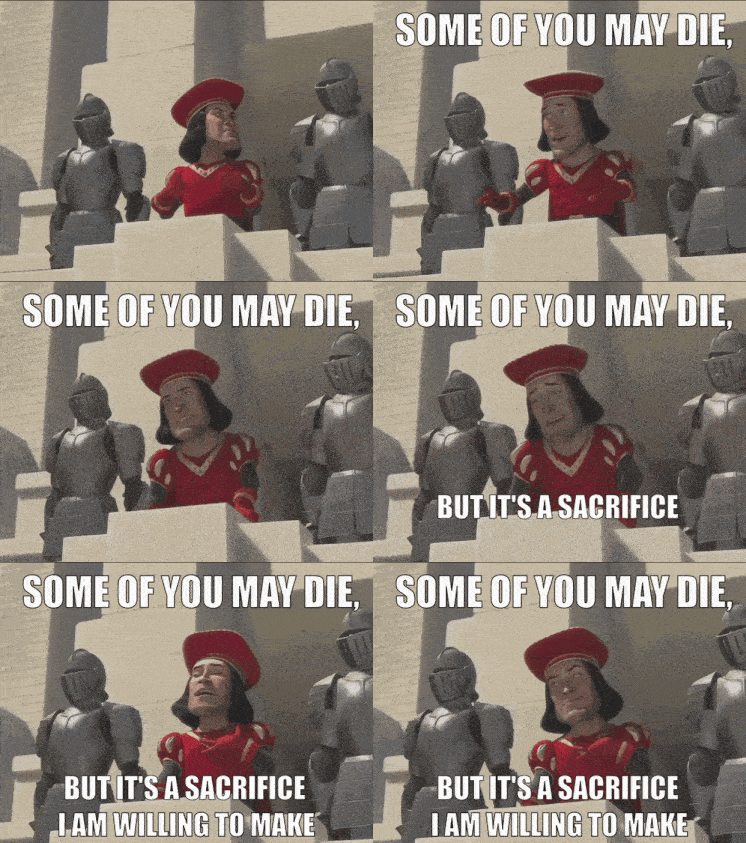
But just because that violence is without political goal doesn't mean it isn't useful. Specifically, it is useful to Likud, who can then claim that to investigate Netanyahu for corruption right now, when the very existence of Israel is at stake, would be unwise. And then Israel responds, bombing tens of thousands of Palestinian civilians.
That bombing is picked up as a righteous cause by the Iranian regime, who coordinate responses to that Israeli violence with their proxies in Lebanon and Yemen (Hizbollah and the Houthis, respectively), which in turn distracts from the burgeoning domestic resentment in those localities.
The thing about symbiotic relationships is that they don't have to be intentional. They just have to be. If a plant that needs shade seeds nitrogen into the soil, and happens to feed a nitrogen-poor plant that provides shade, it just works; the offspring of both plants thrive, and the symbiotic relationship is formed without any kind of "intent" necessary.
And yet, at least some of the parties involved still seem aware of the relationship. Beginning in 2012, Netanyahu facilitated payments from Qatar directly into the Gaza Strip to Hamas leadership, totaling roughly $1.8 billion. The suspected reason for this was the political separation of the Gazan people from the more democratically-minded Palestinian Authority in control of the West Bank. Netanyahu seems to have recognized that a unified, diplomatically-minded Palestinian people presented a real threat to his personal authority, whereas a divided Palestinian people, with violence constantly committed against Israeli civilians by Hamas, was in his personal best interest.
Hamas killings justify Likud's position, giving them a mandate. The Israeli ethnic cleansing that directly follows this then justifies Hamas, and gives the IRGC an external righteous cause to place above their own domestic troubles.
When Trump, who faces the potential for prison himself if he and his allies lose the next two elections, joins Netanyahu's war with Iran, all of these pieces start to twist even further. The Houthis, religious extremists who co-opted the Yemeni Revolution in the same way the Ayatollah did the Iranian Revolution, get a political mandate by attacking tankers in order to "support Palestine".
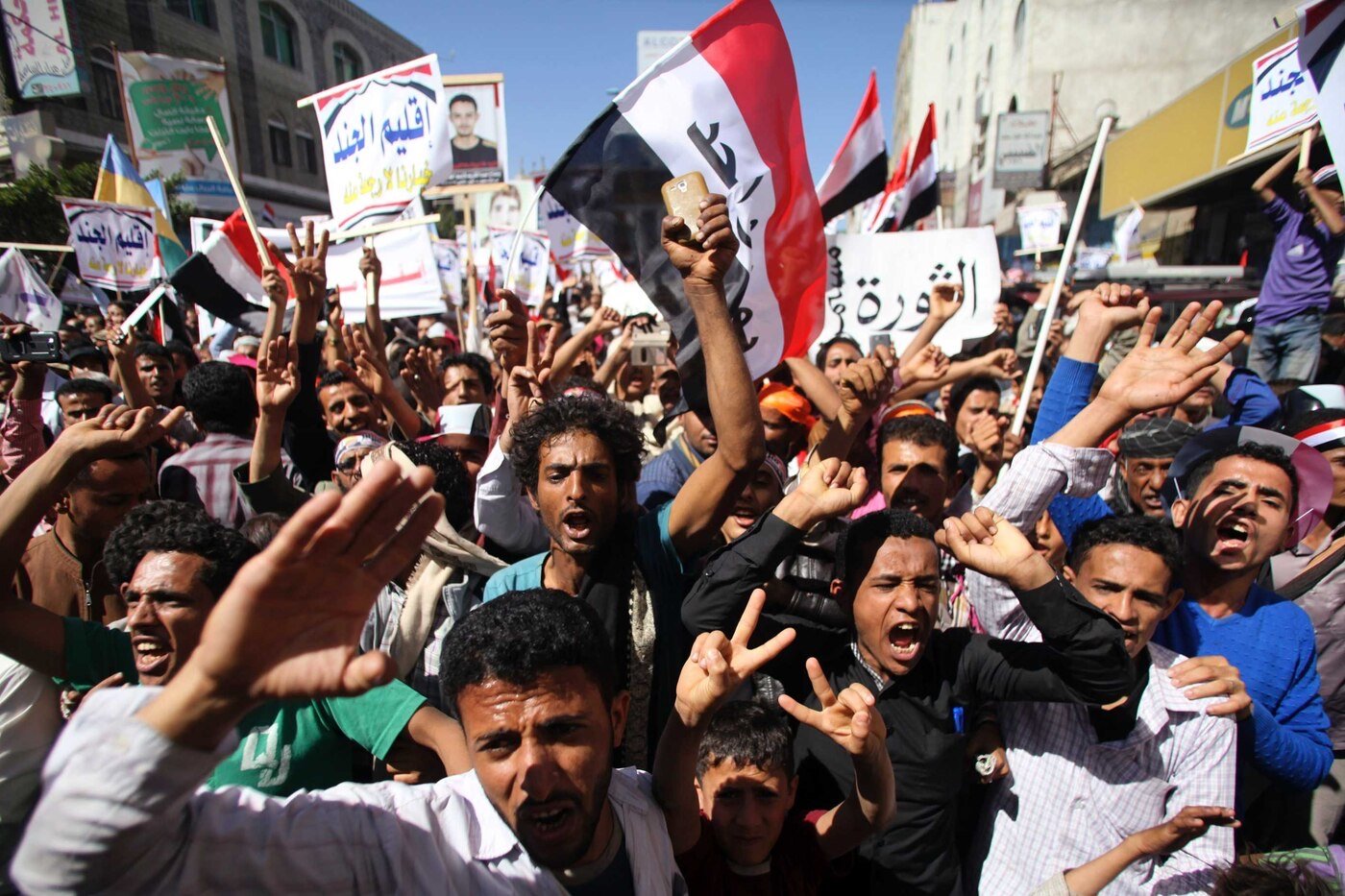
All of these are acts of violence by military or paramilitary force against civilians -- normal people who are just trying to live normal lives. But because they are against the other guys' civilians, they bolster the ruling mandate rather than damaging it (the way the Iranian regime does every time it shoots its own people).
However intentional this is, all of these evil regimes need each other to survive. If the Iranian regime is put to the guillotine tomorrow, and a stable democratic state emerges out of it, Netanyahu no longer has a legitimate existential threat to hold over his own people. If he is then put on trial for war crimes, and the Israeli state somehow self-corrects and ceases its violent genocide, Hamas no longer has a mandate for resistance and governance.
The single most protective factor for an individual person against an abuser is a healthy community. The more connected we are, the less able an abuser is to isolate us and coerce us. This is true on a global, societal level as well: one healthy society is one less point of leverage for a neighboring political abuser to exploit. Just as catastrophe can have a cascading effect, so too can recovery. As such, it is important to recognize that political abusers, like all abusers, need us weak, isolated, paranoid, and afraid.
And as the consequences for their failure (prison, death) escalate, so too will their resistance to our attempts to heal.
6. What is to be done
The world is facing a crisis of fascism and authoritarianism, every single petty tyrant of which is using half of the other ones as moral cover. Putin has fully captured the Russian state, and uses American imperialism and the Gazan genocide as an excuse. China is perhaps the most effective authoritarian state that has ever existed, and uses the idiot antics of Donald Trump as a strong argument for the inherent weakness of democracy.
Putin, Khamenei, Erdogan, el-Sisi, Lukashenko, Kim Jong Un, Afwerki, Obiang, Biya, Museveni, Berdimuhamedov. All of these are weak, banal, evil little shits who maintain power over their captured states by a combination of external fear and domestic suppression. Trump, Netanyahu, le Pen, Orban: these are all evil little shits who would like to.
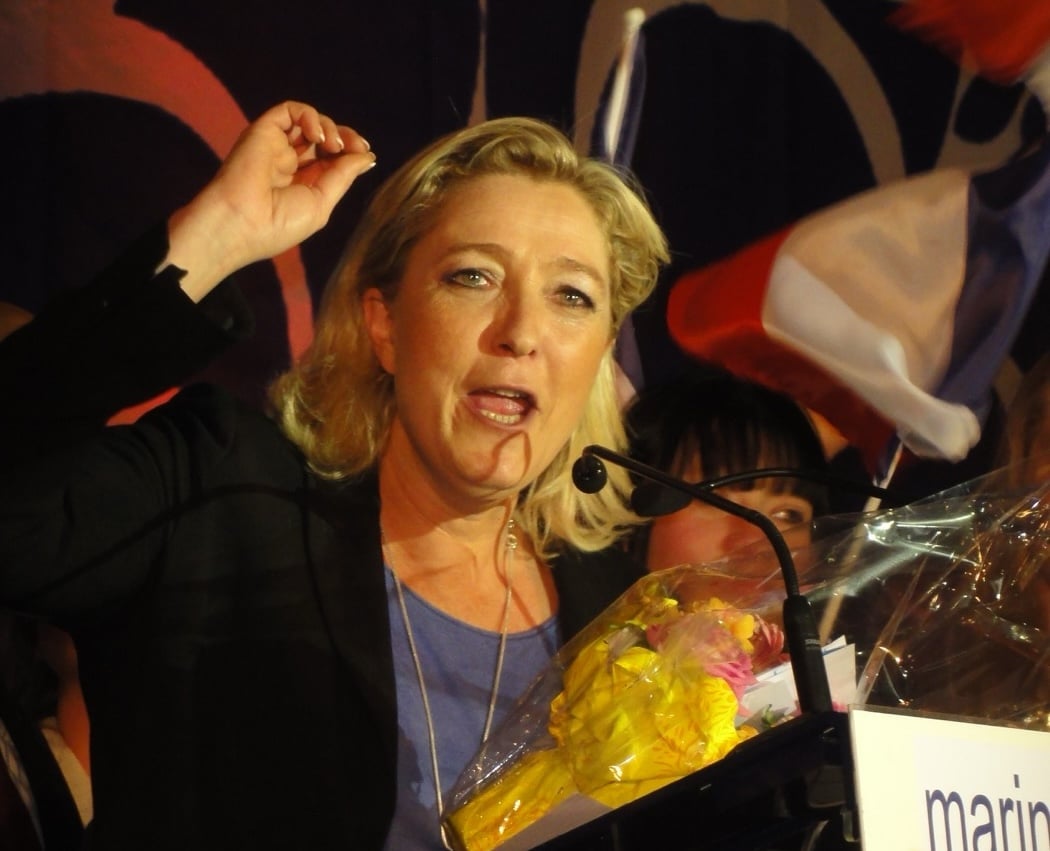
All of these rely on the violence of the others, or on the previous evils of European and American colonialism in the last couple of centuries, to form their own mandate for rule.
Abusers work on fear. When I was at the deepest, most terrifying point in my own abusive relationship, my abuser told me that none of the people I had once been close to had actually liked me. They all thought I was weird, off-putting, bad to be around. I believed it. That belief prevented me from reaching out to them.
When I finally did, years later, the response was unanimous: "if we had known, we would have tried to help you." All of them had wondered why I stopped showing up, why I stopped writing. None of them had any idea.
Abusers isolate. It's by far the most important tactic in their toolbox. They make us believe that those others out there hate our guts and that they want us dead. When the violent lackeys of other political abusers actually act like that's true, it reinforces that fear, that separation, that isolation.
But in fact, all humans across this whole earth are fundamentally in this together. We share the same world, the same atmosphere, the same land and oceans. We share curiosity, love, fear, excitement, worry, and hope. The vast majority of us want the same thing: to just finally be okay. To not worry anymore. To not be afraid.
It is by being together, by connecting across lines of division, that we can heal. And it is precisely that healing connection that is the single greatest threat to the abusers increasingly in power.
In a fundamental way, love, connection, empathy, and communication are the first steps in resistance. If you are unfortunate enough to live in a captured state, the response from your regime for this will be punishment. So try to keep the connections alive in secret, and bide your time. The rest of us are coming for you.
If you are fortunate enough to live in a representative democracy, vote. Vote with wisdom and with love. In my experience, ego acts performatively: regardless of the outcome, the egoist votes according to how he wishes to see himself, not for a collectively held goal.
Love votes tactically. We vote not out of self-definition, but out of hope, and with intention. We vote because one guy on the ballot, even if he's an asshole, makes it a little more possible to take that next step toward building something better. It is neither the pointless wasted vote for Jill Stein, nor the "this is the best it will ever get" centrist primary vote for Joe Biden.
It is instead the vote for whatever outcome is pragmatically the best next step for building a better future, and then the sustained push of work that will birth that future into reality. It's running for office in your own local town. It's talking to your friends about the shit you are pissed about. It is the willingness to get off of social media and read a goddamned book.
I am sick and tired of fear and compromise and half measures. I want to make "love wins" less a platitude, and more a manifesto. Fascism always states that paradise can be reached by killing all of the right people; this is a fundamental falsehood. Whatever beautiful future we have will be reached not primarily through violence, but through connection, through construction, through healing, through communion, and through community.
Join hands.
If you enjoyed this, consider subscribing! Changelog letters are delivered weekly on Friday. I will never advertise to you (unless I'm letting you know about something I personally made) or sell your information to anyone.