Patch Notes: Wage Drivers + Flamingo Feeding Habits
Today we talk about wage and debt drivers in game design (and how they are used for real life control by mundanely evil elites), and about the magnificent plankton-filtering feeding style of the flamingo.
Pieces of Games: The Wage Driver
A driver in game design is any aspect of the design that serves to drive the player to continue interacting with its systems. A great many games use a simple narrative driver; you keep playing because you want to find out what happens next in the story. Many creative games use an expanding potential driver: this is where you start with a limited number of options, and then by interacting with the game's systems you can "unlock" more and more complex things to build (e.g. Minecraft or Banished).
A wage driver feels a little more familiar to most of us. In a game with a wage driver, you have bills to pay, expenses that must be addressed lest some punishment be meted out by the game's systems. This is in fact the core driver of the game we talked about last time, Papers, Please; the costs of failing to pay are various afflictions befalling your family members because you couldn't afford to keep the heat on or pay a medical bill.
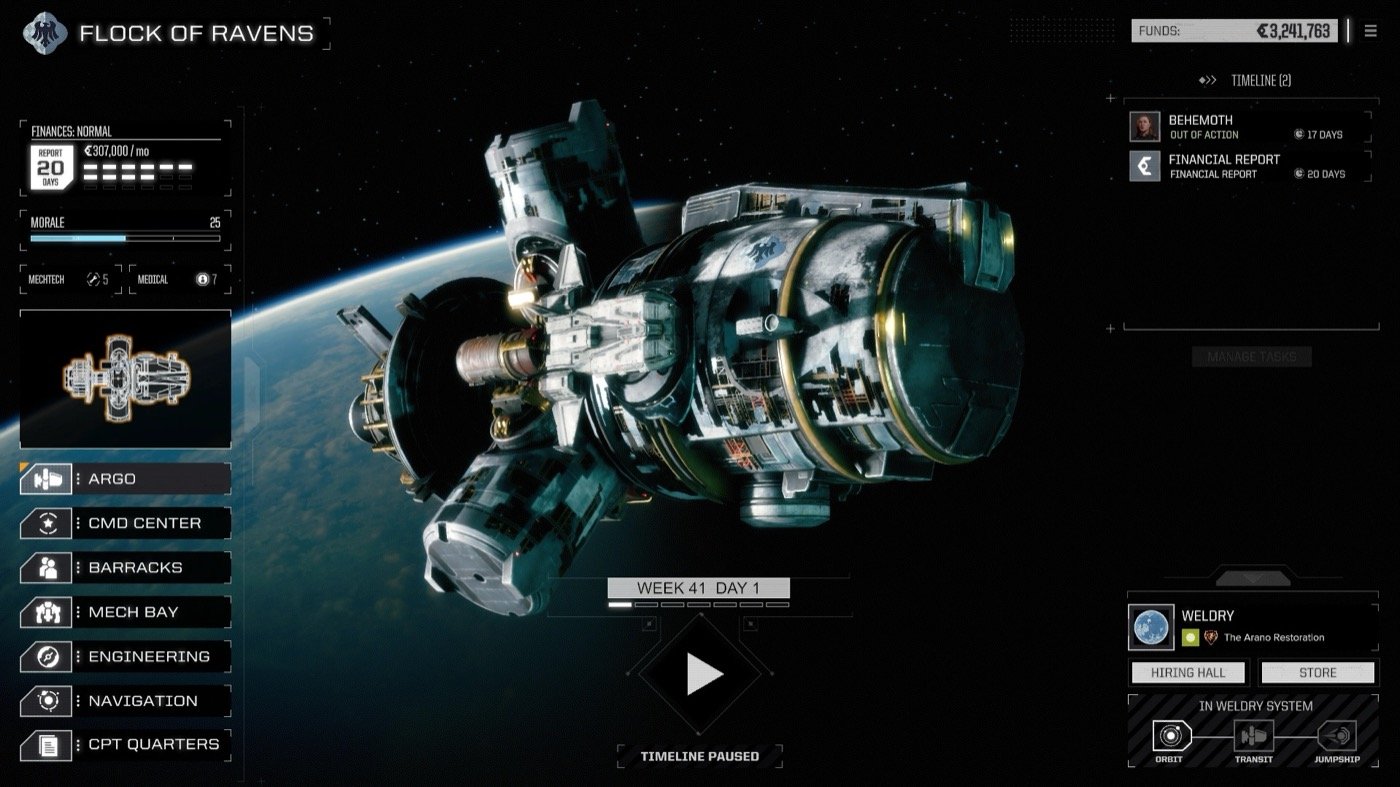
Papers, Please is intentionally unsustainable; its creative intent is to create in the player a feeling of desperation. But a wage driver can also be used to instill a sense of the interestingly mundane into the most exotic of circumstances. BattleTech and the Jagged Alliance series, for instance, embody the player into the character of a mercenary captain, who both has to fight battles with their brethren/sistren/siblren in arms, and also make sure the lights/campfires/giant mech reactors stay on. The result is a special kind of dramatic experience: one where fighting monsters or piloting a giant mech isn't an exciting, special experience, but rather is "just another day on the job." It creates a gameplay experience reminiscent of "low fantasy" settings like those of Joe Abercrombie or Glen Cook's The Black Company.
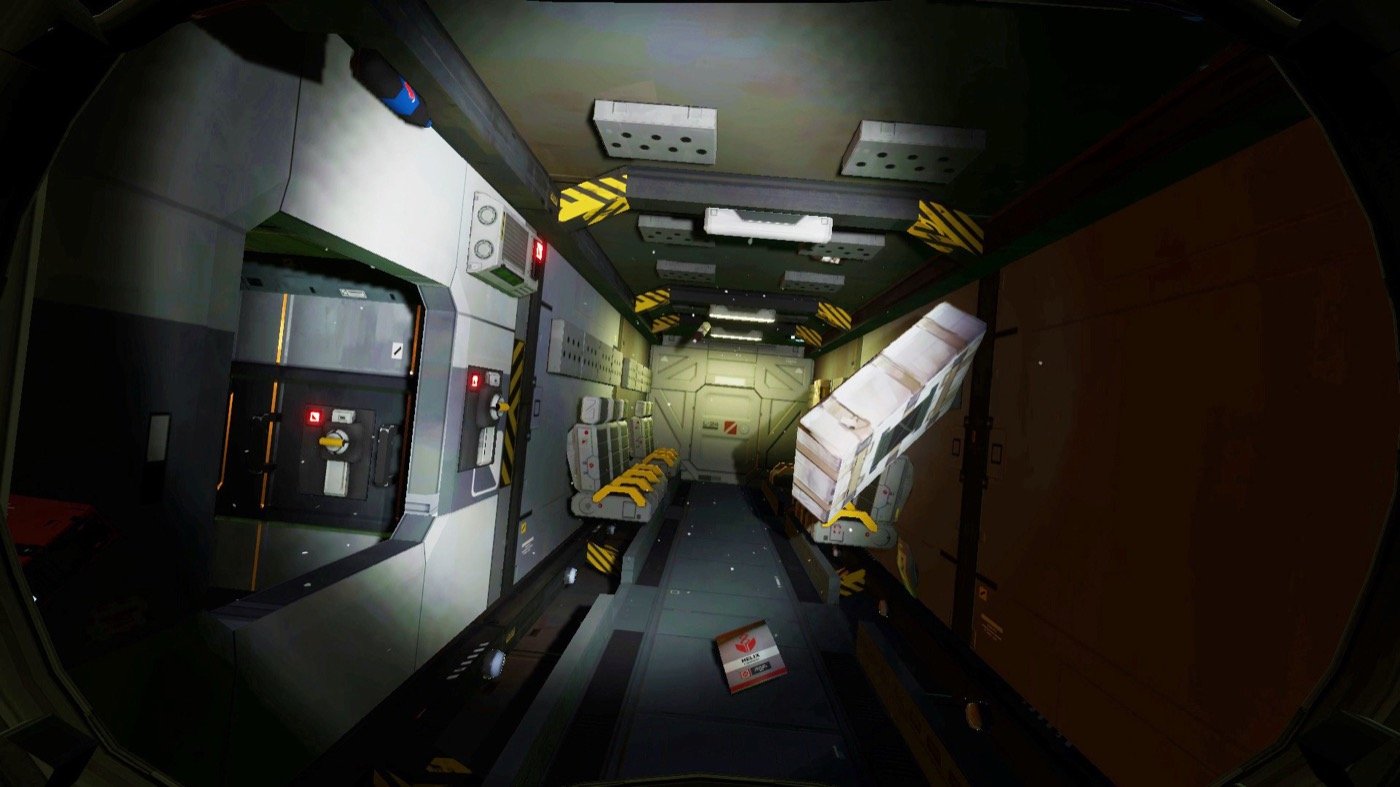
Finally, a wage driver can be turned into a debt driver by simply adding a debt and a pile of interest. This is the approach taken by Hardspace: Shipbreaker, a brilliant spaceship-disassembly simulator from Blackbird Interactive. In Hardspace, you start the game with a laughably impossible mountain of debt. On top of this, you're charged for the equipment you rent from your employer, the housing you live in, the food you eat, and the exorbitant cost of every time your dangerous environment gets you killed and your body has to be cloned anew.

In Hardspace, there is no way to escape this debt. It's simply too astronomically high. The only thing you can do is work, and work, and work, and you can never leave, because The Company controls the shuttles back down from orbit to Earth.
This isn't much of a driver, because there's no outcome to strive for. What it is, in fact, is slavery: justified by debt, and enforced by violence, as slavery usually is. As such, the game has a narrative driver of unionization and eventual liberation; otherwise it would be too hopeless.
This is the shape most modern slavery takes. Forced labor is a global phenomenon, but the majority of it is committed by private organizations and the highest regional incidence of it follows unchecked oil money: the "Arab states", particularly including Saudi Arabia, the UAE, and Qatar. Immigrants to these countries often pay an exorbitant "recruitment fee" for the opportunity and transportation to come and work (often borrowing the sums needed from loan sharks who are in collusion with the wage slavers receiving the labor); on arrival, their passports are confiscated "as collateral", and they are subjected to 11-12 hour workdays for 6-7 days a week, at lower pay rates than promised, while being charged for housing, food, and other sundry expenses that functionally mean permanent entrapment.
According to the ITV documentary Kingdom Uncovered, about 21,000 foreign-born workers have died working in Saudi Arabia since the "Vision 2030" megaprojects were launched, with over 100,000 more missing since 2017. Death and entrapment rates are excessive in the UAE and Qatar as well, and remain painfully high across the rest of the "developed" world.

Something Interesting: Flamingos Eat Upside Down
Flamingos are ... odd. They're pink (especially the North American ones), they stand still for hours on one leg for reasons scientists still don't fully understand, and their beaks look like this:

And when they eat, it looks like this (it's even better with sound):

As it turns out, this is a highly specialized feeding behavior, for which the flamingo has evolved a highly specialized beak. The flamingo rapidly retracts her head while eating, creating vortices that stir up sediment, algae, and shrimp, then she chatters her beak in an extremely rapid pattern that creates a flow of water through specialized sieve-like keratin plates in her beak called lamellae, similar in both form and function to the baleen that whales use to sift many of the same foods from ocean water.

The distinctive pink color of the flamingo is also due to her diet; the cyanobacteria, brine shrimp, and plankton she eats are rich in beta-carotene, which is expressed through the body and into the birds' plumage. The fact that they turn so red from eating such green foods means that flamingos redden for the same reasons the leaves of aspen trees turn gold in the fall: initially, the reds and yellows of the beta-carotene are overwhelmed by vastly greater amounts of bright green chlorophyll. But unlike the warmer pigments, chlorophyll fully breaks down (and in the case of the flamingo's diet, is digested and excreted). In both the case of the flamingo and a September aspen, this leaves behind the more persistent colors that were there all along --- in the flamingo's case, converted in the liver to the bright pink plumage colors she is so famous for.

If you enjoyed this, consider subscribing! Changelog letters are delivered weekly on Friday. I will never advertise to you (unless I'm letting you know about something I personally made) or sell your information to anyone.