Patch Notes: Reverence as Worship vs as Attention
Today we will be introducing components, a new letter section type that will be used to set up concepts and ideas for later, more permanent homes here on the Systemist. Tools, interesting facts, pieces of games, and so on will all continue to appear regularly as well.
The component we'll be talking about this week splits out two very different things that tend to get lumped into one by people who don't know better: the North American vs the monotheistic / organized religion approach to the sacred. For a long time, I operated under the impression that an Algonquin or Hopi person giving thanks for a meal to the Earth mother, and a Christian giving thanks to God, were the same kind of thing: an earnest mental "prayer" to some entity, whose existence (and ability to / interest in hearing your prayers) is an article of faith, separate from the world.
But now I'm reading Braiding Sweetgrass by Robin Wall Kimmerer, and as I've said before, it's deeply changing my perspective. So:
Component: Reverence as Worship vs as Attention.
Reverence is a term we use for both the monotheistic attitude toward the deity (or the deity's sacred artifacts), and also the attitude held by non-state peoples like those who populated North America before the arrival and violent conquest of Europeans and their multitude of diseases.
Reverence is an attitude implying a verb, "to revere", which means "to show great honor to". What this looks like in practice, however, is fundamentally different. This also deeply changes the shape of gratitude in each case, which is part of the process of revering.
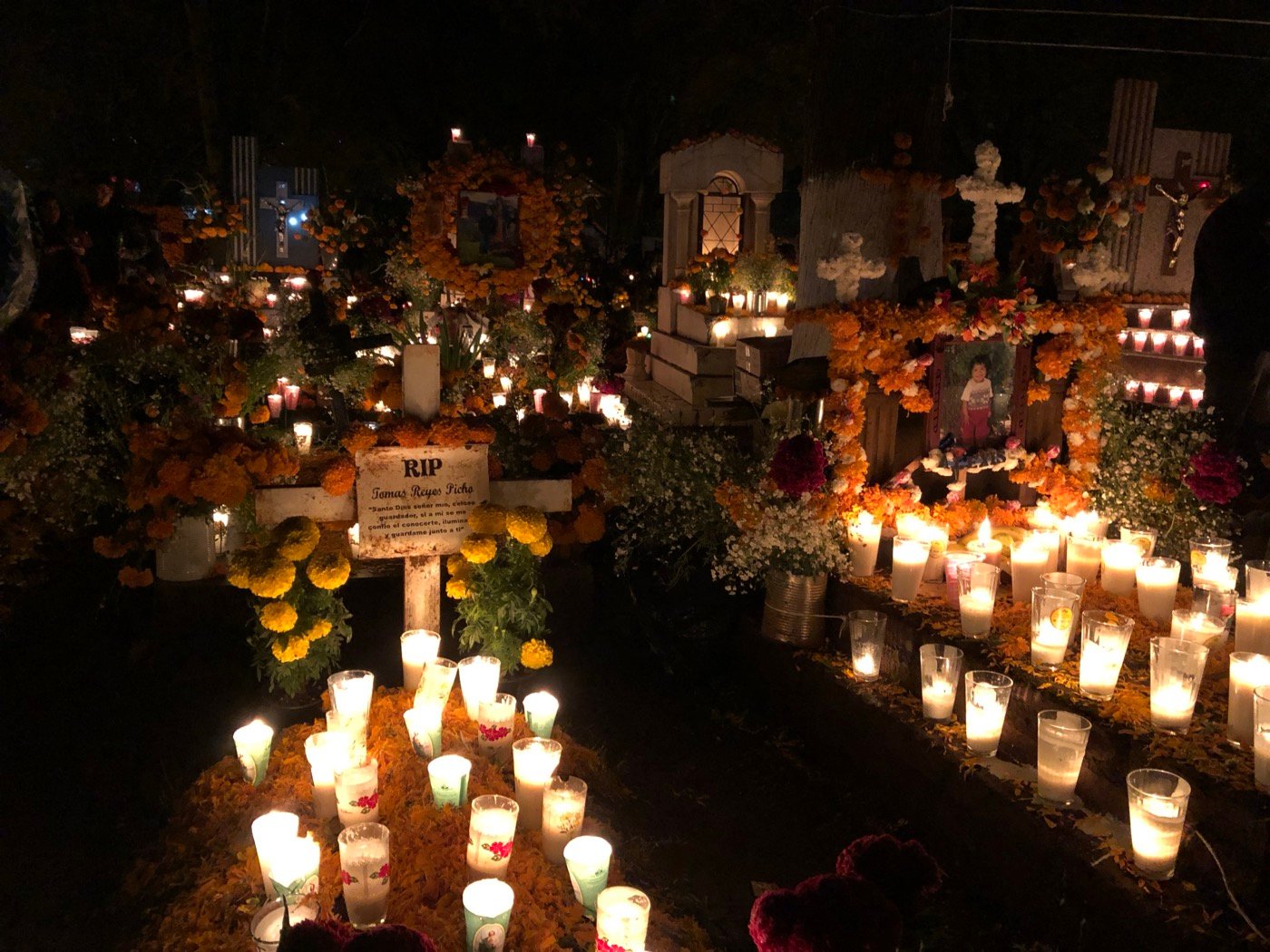
Euro-Christian reverence is pious aversion.
The core of all monotheistic religion is the idea that the sacred is otherworldly, incomprehensible, and fatal to look at directly. This goes back to before monotheism's inception, all the way to the state religions of Egypt, where the statue of Amun ("the hidden one") was carefully concealed from all eyes but that of the high priest, and sacred spaces like the House of Life were off-limits to all but the priests. Many of the neighboring Canaanite polytheistic religions also included this structure of the sacred partition, including proto-Judaism, which would not become monotheistic until the scripturally-retconning Babylonian exile period the better part of a thousand years later. Before and after the monotheistic transition, that same division appeared in the Jewish temples, derivations of northern Syrian long-room temples like Ain Dara.
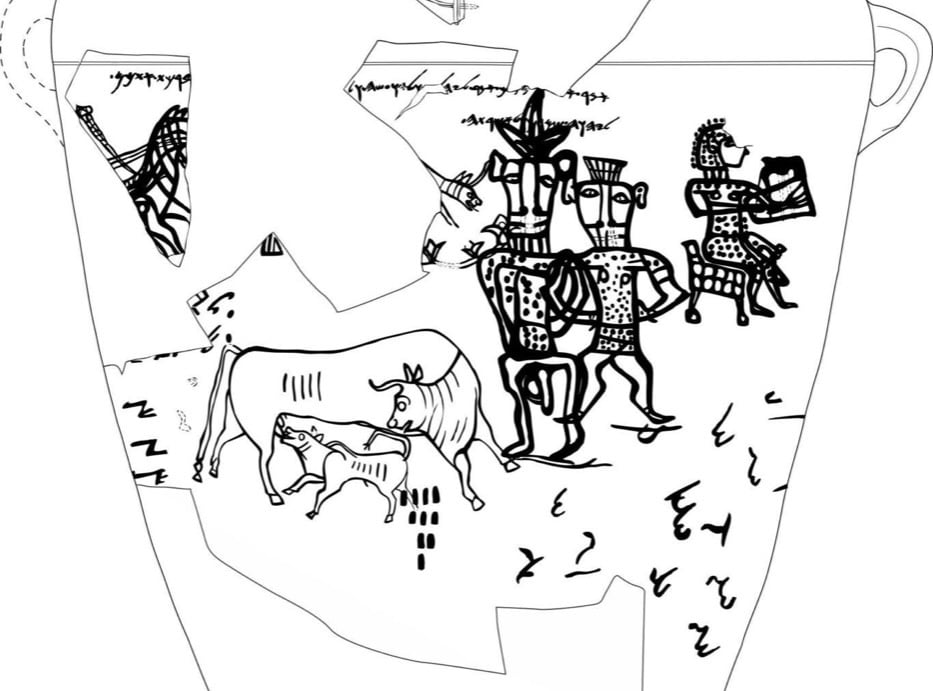
Key to this style of temple is the construction of an inner sanctum, a "holy of holies", where the religion's core relics were stored, and to which only the high priests had access. In the Jewish version of this structure, that included the Ark of the Covenant which contained the tablets of law physically inscribed on stone by the Judaic deity. Famously, merely touching the ark (let alone trying to open it to see the stone tablets inside) resulted in instant death:

This translated to Judaism's descendant faiths as well. St. Augustine, in book X, chapter 35 of The Confessions, names curiosity (aka, that "certain vain and curious longing") as the "lust of the eyes" referred to in 1 John 2:16. In the Christian faith, seeking knowledge outside of the specific confines granted by the Church was the foremost path to the devil and to eternal torture in hell; after all, eating of the Tree of the Knowledge of Good and Evil was the original sin that got mankind kicked out of Eden in the first place.
I saw this for myself in my childhood in the Christian church. Whether in the more staid far-right "non-denominational" church of my parents, or the far more dramatic tongues-speaking, faith-healing, demon-exorcising "charismatic" churches of some of my close friends, worship under Christianity meant entering a kind of emotional altered state. Filling your mind with a "presence" of Jesus without ever really thinking about it. And certainly not without questioning it. To question Christ is doubt, and parleying with doubt will only lead to misery, as per this passage from James, chapter 1:
But when you ask, you must believe and not doubt, because the one who doubts is like a wave of the sea, blown and tossed by the wind. That person should not expect to receive anything from the Lord. Such a person is double-minded and unstable in all they do. (NIV)
The result is the cultivation by Christians (and, I suspect, other theists) of a kind of pious blank space in the mind; the sentimental feeling of focus, without any actual attention. This is critical to the maintenance of the theist belief. If you lose that fear of seeing, you simply walk into the holy of holies, lift off the lid of an old stone box, and see the jagged etchings of a madman on two very Earthly rocks. When you walk back out, the hierarchy (literally "rule of priests" in Greek) of your society no longer applies to you, and the whole thing comes apart.
Religion co-opts all of life into this necessarily-hidden artificial mystery. When you pray, you pay attention not to the world you exist in, but rather to an imaginary figure inside yourself, separate from the world. When you give thanks, you give thanks not to the person who feeds you, or the animal you are eating, but again to that mystery. All credit goes to the religious structure that rules you, as does all power. And always, in every moment, your practice seeks to separate you from the world that is your home as a human animal, by pretending your "spirit" is somehow separate from your body, and that its home is somewhere else.
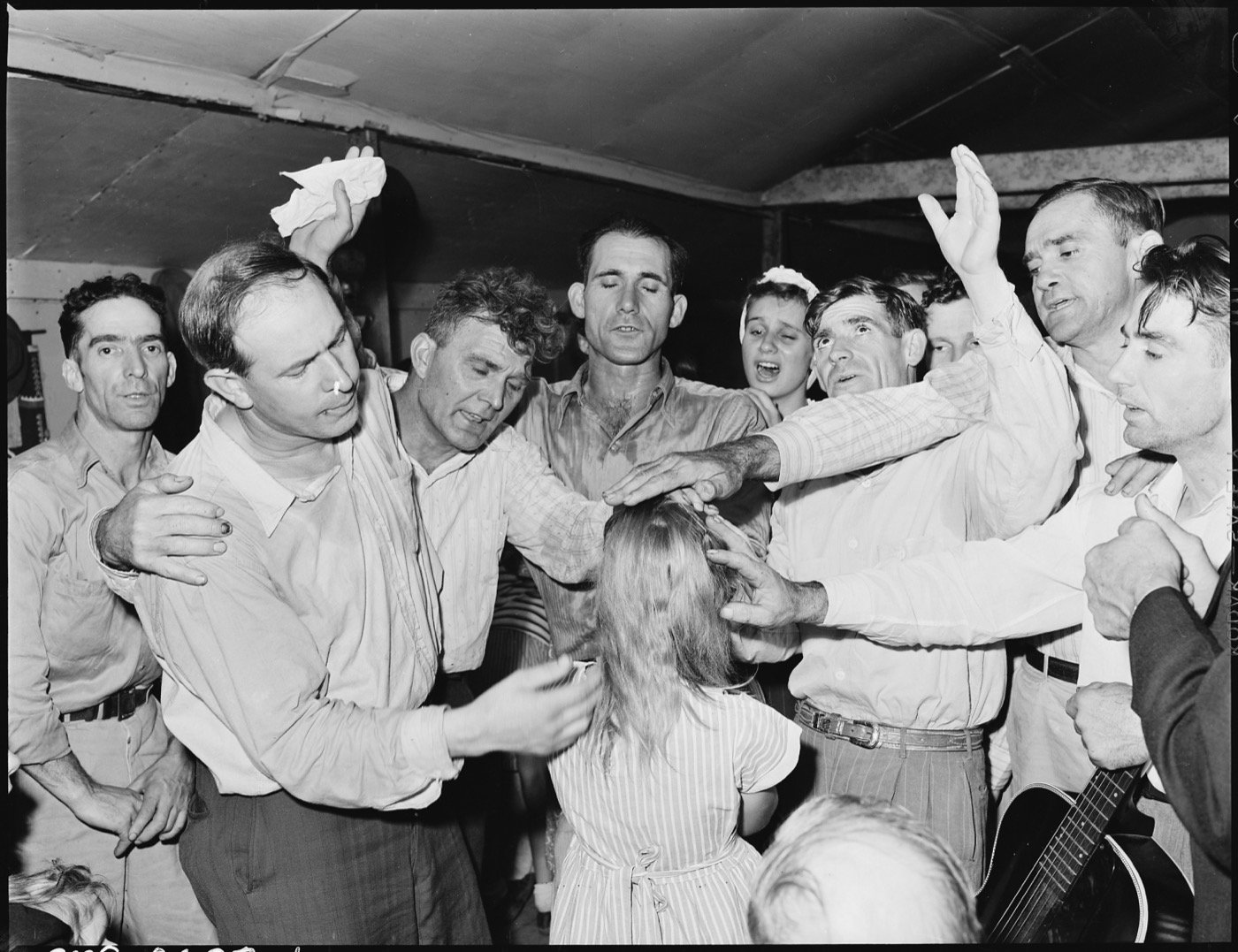
All Europeans, even if they come from families who are now secular, share this structural background. It is the reason we Euro-Americans tend to commit the fallacy of assuming that American indigenous reverence is equally dissociated and contra-rational.
Indigenous American reverence is attention.
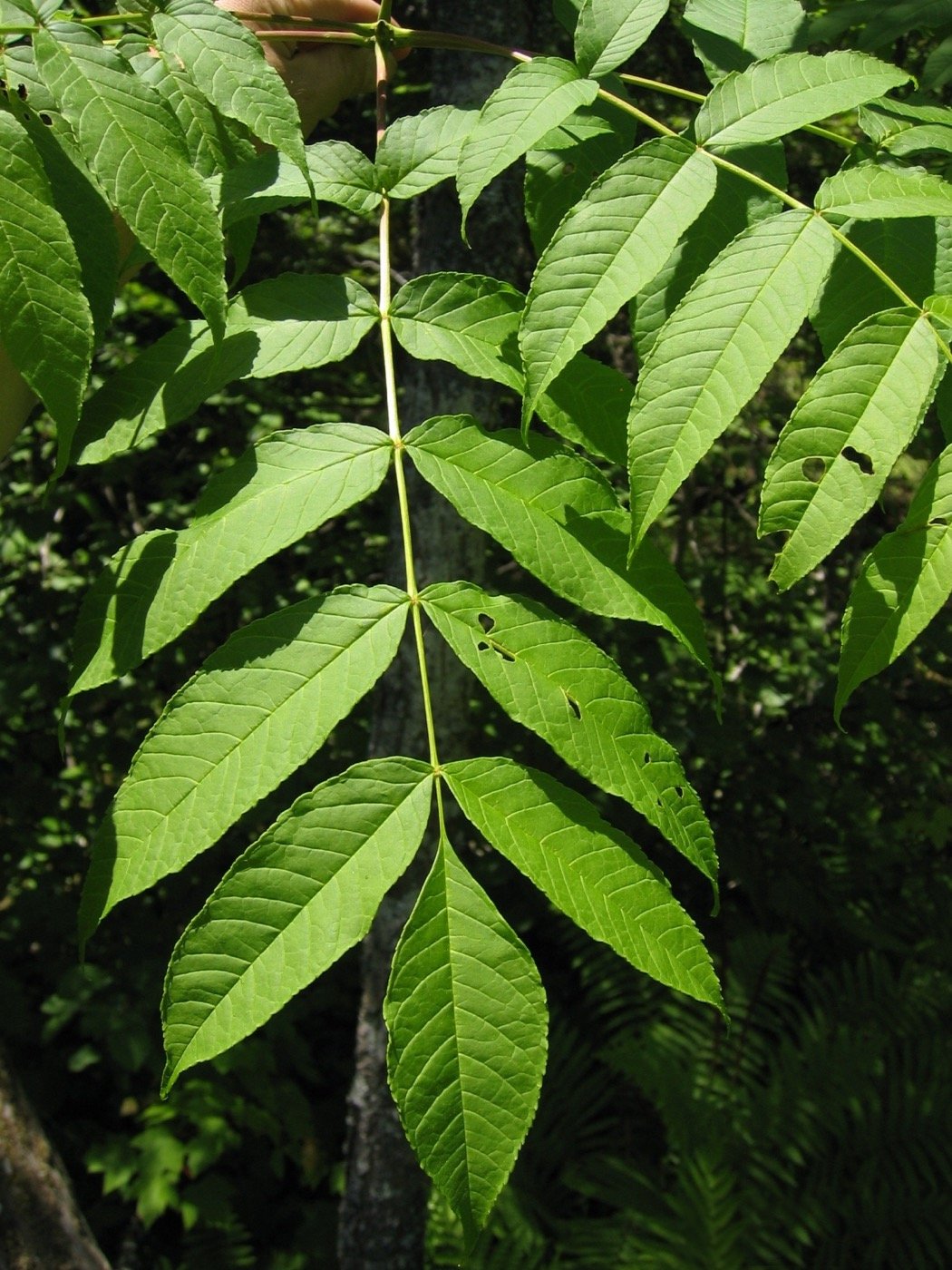
In Braiding Sweetgrass, Wall Kimmerer describes the practice by which Potawatomi basket-weavers select a Black Ash from the forest to harvest:
Traditional harvesters recognize the individuality of each tree as a person, a nonhuman forest person. Trees are not taken, but requested. Respectfully, the cutter explains his purpose and the tree is asked permission for harvest. Sometimes the answer is no. It might be a cue in the surroundings -- a vireo nest in the branches, or the bark’s adamant resistance to the questioning knife -- that suggests a tree is not willing, or it might be the ineffable knowing that turns him away. If consent is granted, a prayer is made and tobacco is left as a reciprocating gift. (from the chapter Wisgaak Gokpenagen: A Black Ash Basket)
Throughout the book, Wall Kimmerer describes this asking of permission (along with a number of other practices) as a core part of the Honorable Harvest. At first, I struggled with this. I knew people in my childhood who would ask God's permission to buy a washing machine, or ask someone out. I suspect that many of the early Euro-Christian settlers asked God's permission before committing their horrific first acts of violence upon the land and the people here. In Christianity, the spiritual act of asking permission is as hollow as the act of expressing gratitude: the mental action is wholly internal, intentionally divorced from critical thought, and separated from our human existence in this physical world.
But as I read, I realized that this act of permission is a diametrically opposed approach. Rather than a retreat into a hollow and artificial internal spiritual mental space, it is an intentional step out into the here-and-now moment of our current place in the world. It is careful attention to the plant or animal in question, and to the environment around it:
Asking permission shows respect for the personhood of the plant, but it is also an assessment of the well-being of the population. Thus I must use both sides of my brain to listen to the answer. The analytic left reads the empirical signs to judge whether the population is large and healthy enough to sustain a harvest, whether it has enough to share. The intuitive right hemisphere is reading something else, a sense of generosity, an open-handed radiance that says take me, or sometimes a tight-lipped recalcitrance that makes me put my trowel away. I can’t explain it, but it is a kind of knowing that is for me just as compelling as a no-trespassing sign. (from the chapter The Honorable Harvest)
One of the things that has always separated me from my Christian ex-brethren, and which led me to leave in the first place, is that I've always trusted my instincts. I haven't always had the whole picture, but I've always known that our brains are capable of powerful and accurate computation just under the surface of our conscious thought. Informed instinct is how an expert surgeon can act immediately and decisively when the time comes, without having to "think through" a set of actions; it is also the origin of doubt, that poison in the well of organized religion. The reason religion forbids attention to the sacred is that with attention comes instinct, and from instinct flows doubt.
The act of asking permission, in the framework of the Honorable Harvest, is the intentional paying of attention, and the discipline of listening to the answers given by your intuition in response to that attention. You might not be able to put into words exactly why a particular plant is unhealthy, but you instinctively know that it is.
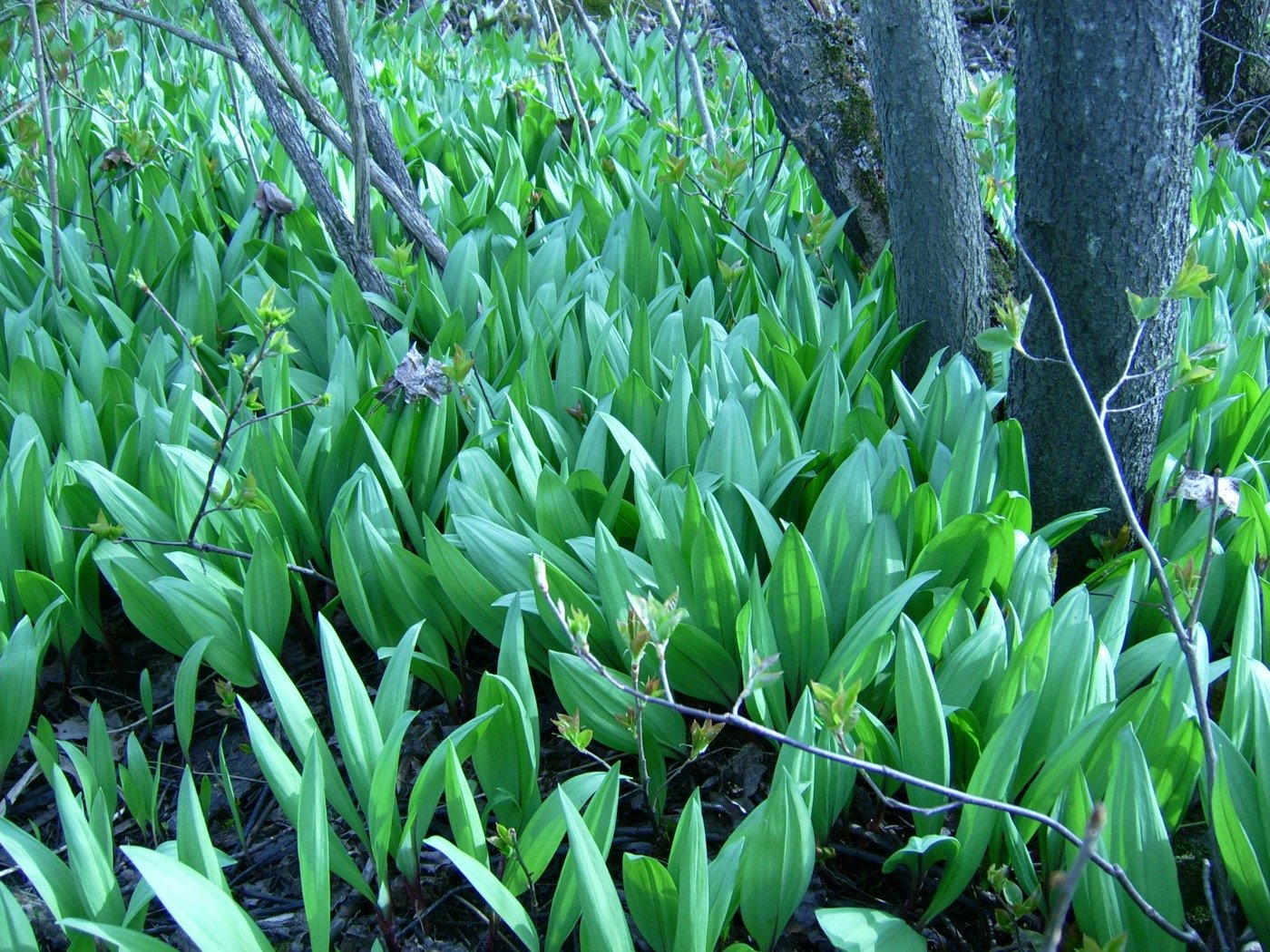
Likewise, gratitude in this context is also attention. It is a recognition that another being (plant or animal) gave up its life so that you could live. It is recognizing that while this was necessary, it is not taken for granted, or owed. It is a promise not to waste what is taken in the future. Contrast this with gratitude to a deity; in that case, the deity "owns" everything in the Earth, and has "given" it to you. The animal is just a piece of divine property, with no say in any of it. Gratitude to a god is like the gratitude a peasant has for being allowed to live and work the king's field. It is a kind of theft, both of the personhood of the receiver, and of the held value of the giver.
In the framework of theist reverence, our attention is stolen by the hierarchy (priest, king, landlord, boss), our intention (agency) is surrendered to them, and our gratitude weighs on us as a debt of fealty. This is a structure of tyranny all of us who descend from theist ancestors hold and must deconstruct.[^1]
But in the much older framework of attentive, lived-in, survival- and sustainability-founded reverence for Mother Earth, an antidote for that tyranny is possible. Attention, and gratitude, alongside the other practices of the Honorable Harvest (never take the first plant you find; never take more than half), are the only way we will ever manage to build a good and sustainable human home in our greater natural world.
[^1]: I can't speak to Hinduism, Buddhism, or Confucianism, but all of those have also had their fair share of tyrannical state violence. Monotheism is far from the only path to empire.
If you enjoyed this, consider subscribing! Changelog letters are delivered weekly on Friday. I will never advertise to you (unless I'm letting you know about something I personally made) or sell your information to anyone.