North American languages are fundamentally different from Indo-European ones
This week, we're going to discuss Dispositio, a tool I made for project planning in the terminal; a timely quote by Mika Waltari; and an essay about how North American languages are constructed fundamentally differently from Eurasian ones, and what that means.
Tool of the Week: Dispositio
One of my own! And since I just made a fancy new home page for it, I thought it might be a good time to share:
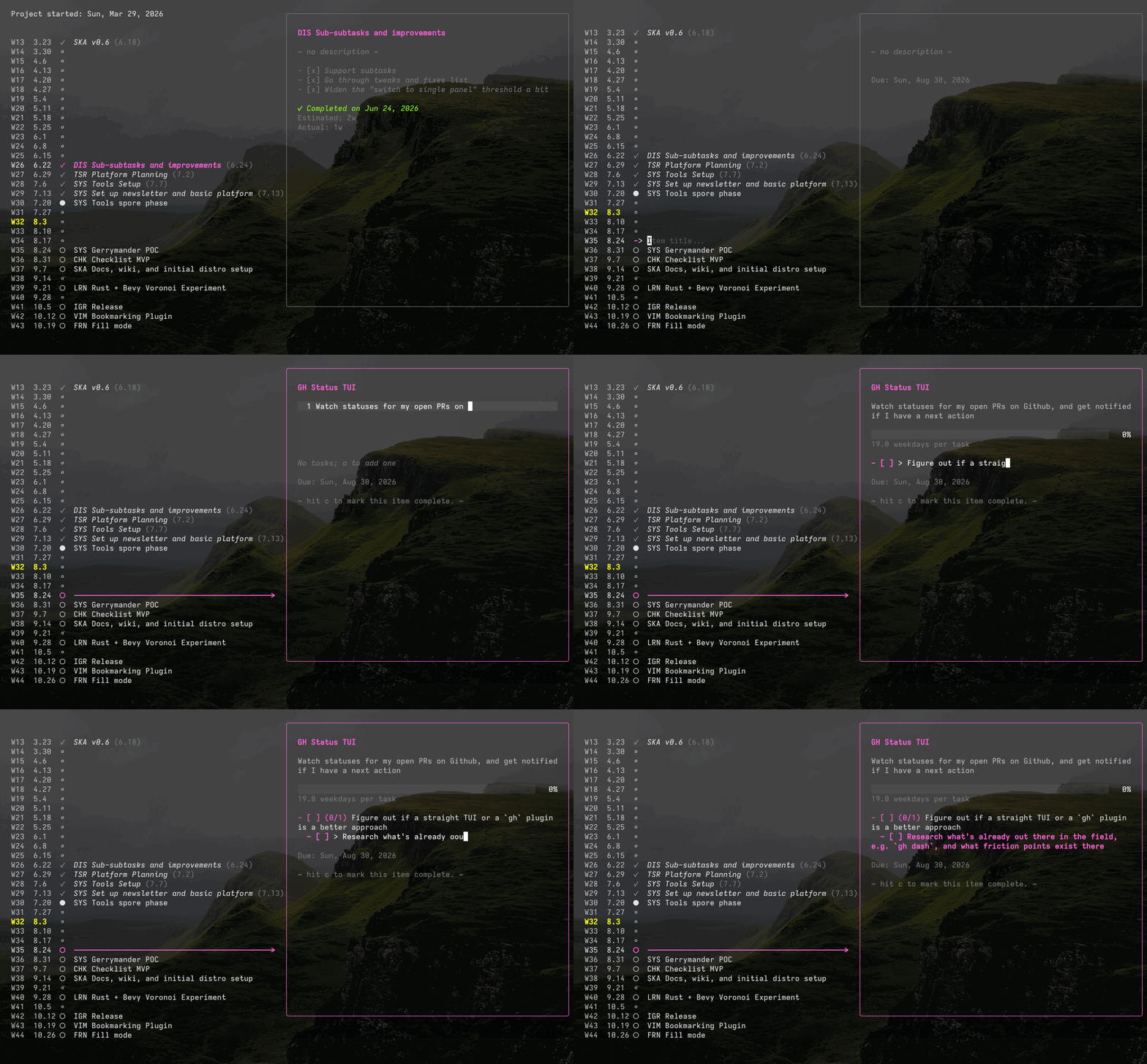
Dispositio is a tool for project planning and timeline management right in the terminal, saving to simple markdown so it's easy to commit to a repo or sync with Obsidian. You can set up milestones, mark estimates, add tasks and subtasks, and write notes, as well as see how different changes, delays, early completions, etc. impact your overall timeline. I use it every day for all of my personal projects, and hope you might find it interesting as well!
You can find a full walkthrough and documentation at The Systemist, or go to the source code directly on Github.
Something Interesting: a timely quote from Mika Waltari's 1945 Finnish classic, The Egyptian (p. 308):
Then my heart was seized with a terrible suspicion: What if Pharaoh and the noble idlers about his court -- even I myself during the past few years -- were no more than parasites, vermin, fleas in a dog’s coat? The flea may fancy that the dog exists solely for the benefit of fleas and for their nourishment. Pharaoh and his god might be such fleas, giving much vexation and doing no good whatever since dogs are all the better for being free of vermin.
North American languages are fundamentally different from Indo-European ones.
I am currently reading Braiding Sweetgrass by Robin Wall Kimmerer, which is shaping up to be one of the most paradigm-shifting books I've read in the last decade or so.
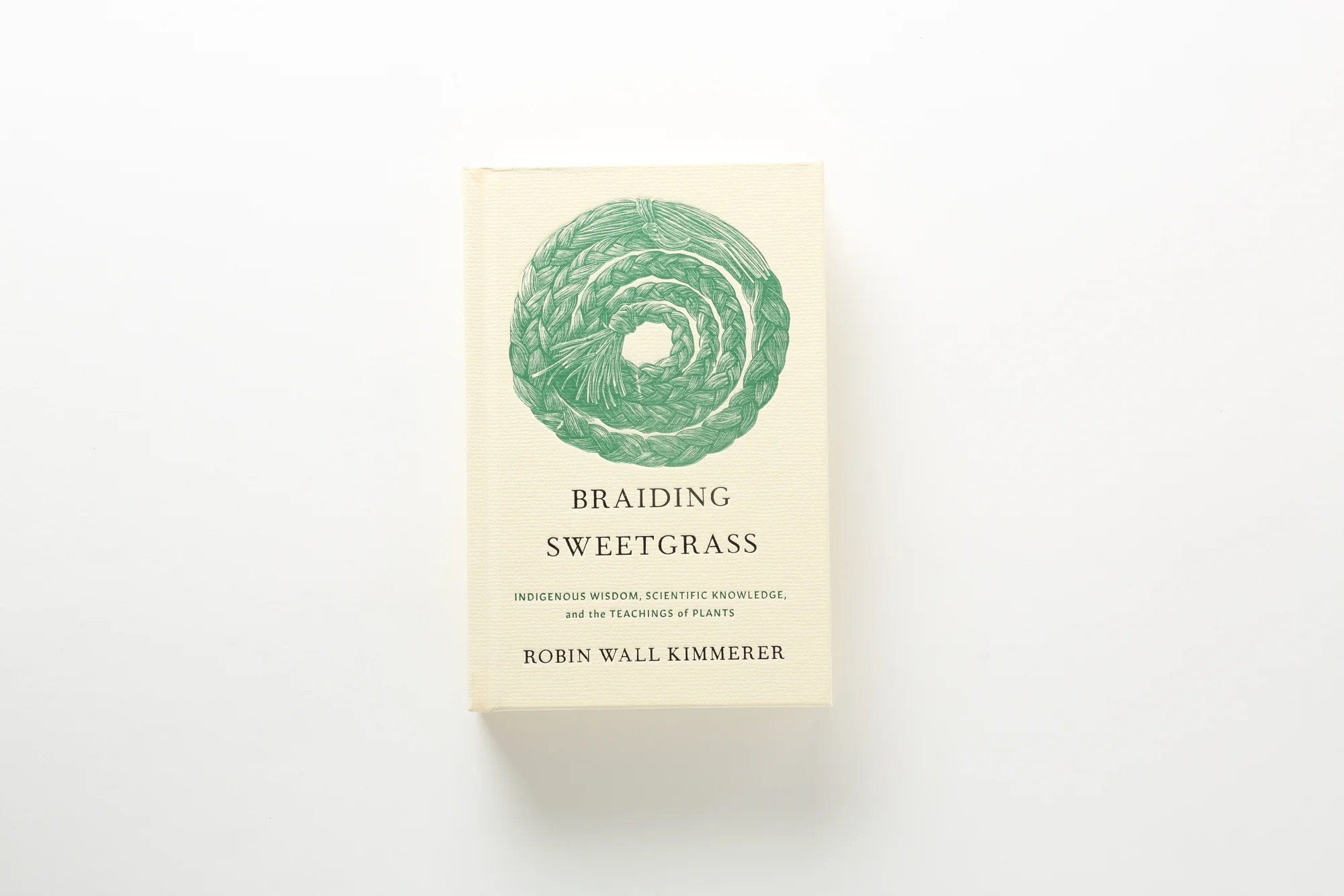
This is a very rich book; the best thing I can say is to go find yourself a copy and read it. But one section in particular has been sticking with me: the chapter on the Ojibwe language family and how structurally different it is from the languages spoken by the vast majority of the rest of us:
English is a noun-based language, somehow appropriate to a culture so obsessed with things. Only 30 percent of English words are verbs, but in Potawatomi [a sister language to Ojibwe] that proportion is 70 percent. Which means that 70 percent of the words have to be conjugated, and 70 percent have different tenses and cases to be mastered. (p. 53)
It turns out this construction is true of a great number of North American languages, including Hopi, Blackfoot, Mohawk, Navajo, and many others -- despite the fact that unlike in the Indo-European geographic sphere, many of these language families are entirely unrelated (e.g. Hopi is related to Nahuatl, the language of the Aztecs, but is as unrelated to Algonquian as English is from Japanese).
This article from Berlitz goes into a good amount of detail on these languages (including interviews with various scholars and native speakers), and is worth a read. But first, Kimmerer, on how this distinction actually plays out in speech:
A bay is a noun only if water is dead. When bay is a noun, it is defined by humans, trapped between its shores and contained by the word. But the verb wiikwegamaa — to be a bay — releases the water from bondage and lets it live. “To be a bay” holds the wonder that, for this moment, the living water has decided to shelter itself between these shores, conversing with cedar roots and a flock of baby mergansers. Because it could do otherwise—become a stream or an ocean or a waterfall, and there are verbs for that, too.
Seeing this other way of speaking highlights some important assumptions built right into the structure of Eurasian languages:
- The world is composed of static things (nouns); their interactions (verbs) are separate from them as things. A pond can sit beside a river without "doing" anything to it.
- The world consists of "subjects" and "objects": one thing owns the action that it inflicts on ("does to") another thing.
- Some things (e.g. human beings) are more suited to being subjects than others (e.g. other animals, plants).
One linguistic distinction that stood out to me is the difference between "inanimate" and "animate" forms of words. Indo-Eur languages often confuse this with gender, as in English (he / she / it), while others remove the inanimate form altogether, but gender everything (el / la). In contrast:
In Potawatomi 101, rocks are animate, as are mountains and water and fire and places. Beings that are imbued with spirit, our sacred medicines, our songs, drums, and even stories, are all animate. The list of the inanimate seems to be smaller, filled with objects that are made by people. Of an inanimate being, like a table, we say, “What is it?” And we answer Dopwen yewe. Table it is. But of apple, we must say, “Who is that being?” And reply Mshimin yawe. Apple that being is.
This makes a very clear distinction between the beings and entities of the world, which includes human beings, and the things we make, which are tools.
I've only just started to process through this difference, and I suspect more will come in time. But what strikes me right now is that in North American languages, speakers use inanimate forms for tools. Tools are things we can own, and are entitled to the use of. Animate forms are beings, to whom we owe gratitude, for whom we show respect, from whom we take only with acknowledgment that we are taking.
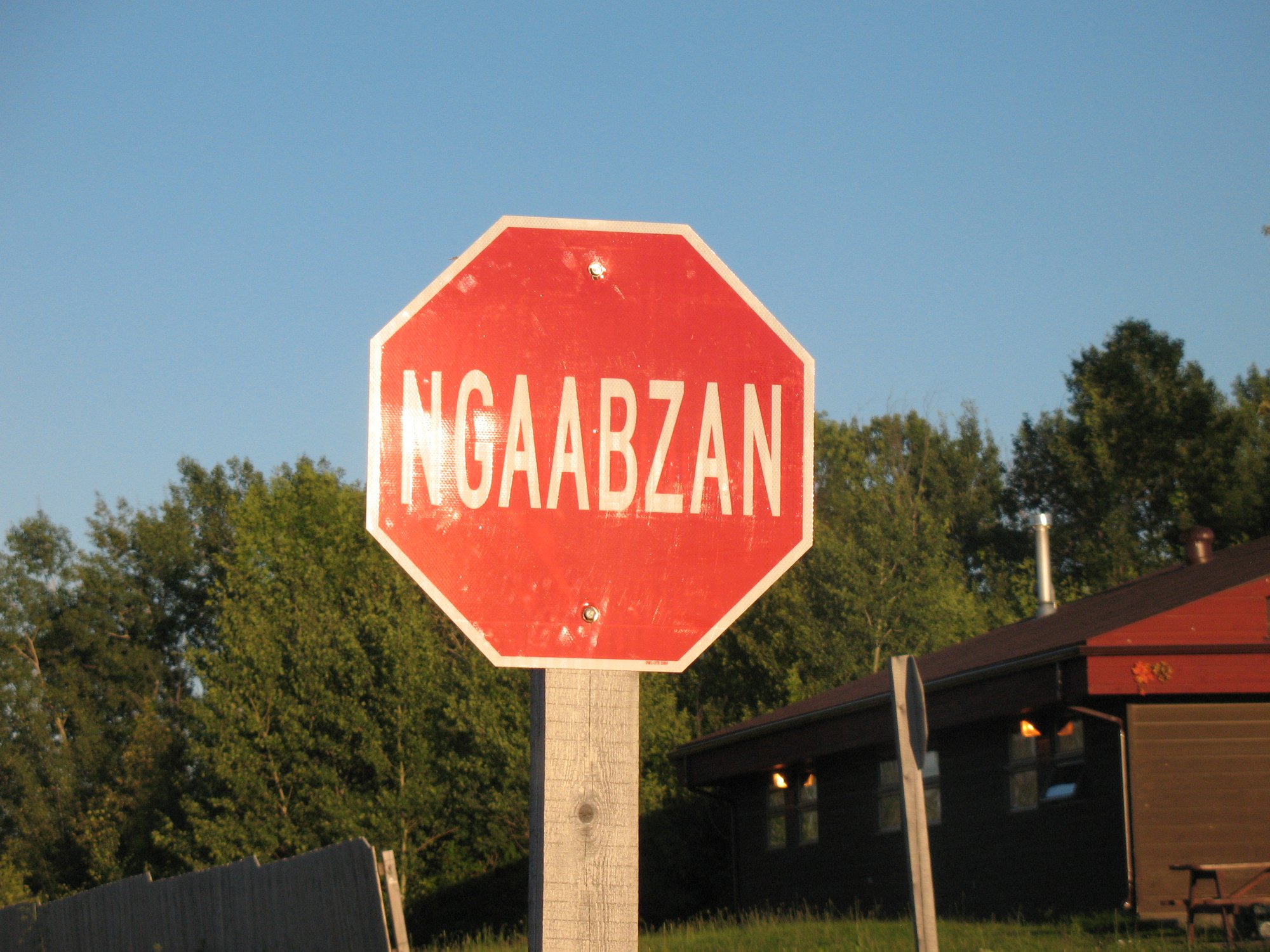
In Eurasian languages, in contrast, anything (and anyone, in both the English and Ojibwe senses of the word) can be a tool, can be property, with some other subject (a farmer, a factory owner, a hunter, a king) entitled to its usage and disposal.
I don't know how we heal the world, when so many are bent on consumption and wanton destruction. But I suspect it starts with healing how we conceive of the world -- not as property to consume, but as a living web of other beings, who compose an interconnected matrix whose actions and expressions ("to be a bay") impact all of the rest of us. Which is to say, a connected, living system: an ecology.
If you enjoyed this, consider subscribing! Changelog letters are delivered weekly on Friday. I will never advertise to you (unless I'm letting you know about something I personally made) or sell your information to anyone.